

You walk into a room, and something feels off. Maybe it is the lighting. The furniture could be fighting the space instead of working with it. Or perhaps everything looks fine on paper, yet nothing truly feels like you. That gap between a house that functions and a home that feels right is exactly what TheHomeTrotters Blog Home Ideas was built to close.
TheHomeTrotters is a US-based home improvement and interior design blog founded by contributors including Trisha McNamara and Craig Forsythe. The blog covers home decor, DIY projects, room-by-room design, smart home technology, and home repairs in one place. What makes it stand out is not the range of topics but the tone: every idea is grounded in how real people actually live, not how a staged showroom looks.
This guide pulls together the best thinking from TheHomeTrotters blog home ideas, expands on it with original insight, and organizes everything room by room so you can find what you need and start today. Whether you rent a small apartment or own a family house, there is something here that works for your space and your budget.
What this guide covers:
- How to build a starting framework before you spend a single dollar
- Room-by-room ideas for living rooms, kitchens, bedrooms, bathrooms, home offices, and outdoor spaces
- Renter-friendly upgrades that look permanent
- Family and pet-safe design choices
- The most common decorating mistakes and how to fix them
- DIY projects organized by skill level and budget
- Seasonal refresh strategies
- A complete FAQ section
What Is TheHomeTrotters Blog and Who Is It For?
TheHomeTrotters blog home ideas are built around one core belief: good design should fit your life, not demand that you rebuild your life around it.
Most home content online falls into one of two traps. Either it shows you rooms that cost $80,000 to replicate, or it gives you the same recycled tips that have been copy-pasted across the internet for a decade. TheHomeTrotters sits in neither camp.
The blog covers interior design, DIY projects, home repairs through their homerepairs section, and smart home technology through tech.thehometrotters.com. That combination is rare. Most design blogs pick one lane. TheHomeTrotters weaves all of them together, so a single visit might take you from a living room styling tip to a guide on fixing a leaking faucet to a breakdown of smart thermostat options.
Who Are the People Behind TheHomeTrotters?
The content comes from a team of contributors rather than a single author. Trisha McNamara and Craig Forsythe are among the original voices. More recent contributors include Dylverquast Thronmar and Lythretdia Vyctarin. Each brings a slightly different angle, which is part of why the blog covers such a wide range of topics without feeling scattered.
That contributor-based model also means the content reflects real experience rather than a single aesthetic preference. You get opinions, not just information.
What Makes This Blog Different from Other Home Decor Sources?
Three things set TheHomeTrotters home decor ideas apart from most home blogs:
Budget-first thinking. Every idea comes with an honest look at cost. When a full kitchen renovation is mentioned, the blog notes that gut renovations typically run between $25,000 and $75,000, then immediately pivots to surface-level upgrades that deliver most of the visual impact for a fraction of the cost.
All topics under one roof. Decor, DIY, repairs, and tech together mean you do not need five different websites to get from inspiration to execution.
Community voice. Readers are treated as active participants. Before-and-after reader projects, budget reveals, and Q&A content give the blog texture that studio-produced content does not have.
How to Start: A Simple Framework Before You Spend Anything
The biggest decorating mistake most people make happens before they buy a single thing. They act before they observe. TheHomeTrotters blog home ideas consistently push a planning-first approach, and for good reason: layout mistakes are expensive to undo. Design choices made without understanding the space often get reversed within a year.
Here is a practical three-step starting framework.
Step 1: Understand Your Space First
Spend one week in your home before making any changes. Pay attention to where natural light falls in the morning versus the afternoon. Notice which paths you walk most often. Identify the spots that feel cramped versus the spots that feel wasted. Look at which areas collect clutter naturally.
This is not abstract advice. A beautiful sofa placed against a wall that gets harsh afternoon sun will fade in two years. A reading nook positioned under a window that never gets light will never be used. Your space has a personality before you touch it. Understanding that personality first saves money and frustration later.
Step 2: Define Your Style (and Learn How to Mix Two Styles)
Most design style guides list options and stop there. Knowing that you like “Scandinavian” or “bohemian” is useful. Knowing how to combine two styles you love is more useful.
The style pairings that work best share at least one common thread, usually texture, color temperature, or material family:
| Style Pairing | What They Share | How to Blend |
|---|---|---|
| Scandinavian + Bohemian (Scandi-Boho) | Natural materials, relaxed vibe | Use Scandi furniture shapes with boho textiles and plants |
| Modern + Farmhouse | Clean lines | Farmhouse warmth in wood tones, modern restraint in layout |
| Coastal + Minimalist | Light palette, open space | Limit decor to natural textures, keep color pale and airy |
| Japandi (Japanese + Scandinavian) | Simplicity, natural materials, calm | Low furniture, neutral palette, zero visual clutter |
The rule that prevents style-mixing from looking chaotic: pick one dominant style and use the second as an accent. If you love both Scandinavian and bohemian, let Scandinavian set the structure (furniture, layout, light palette) and let bohemian bring the softness (woven throws, macrame, layered plants).
Step 3: Rate Your Projects Before You Start Them
Not every home improvement project is equal in cost, time, or skill required. Before committing to anything, rate it honestly:
- Beginner level: Under $50, under two hours, no tools required. Example: swapping cushion covers, adding a floor lamp, styling open shelves.
- Intermediate level: $50 to $500, a weekend commitment, basic tools needed. Example: painting an accent wall, installing floating shelves, adding a peel-and-stick backsplash.
- Advanced level: Over $500, multi-day project, professional help recommended. Example: cabinet replacement, flooring installation, any electrical or plumbing work.
Starting with beginner projects builds momentum and lets you see what changes actually matter before committing to bigger investments.
Living Room Ideas: Where Function Meets the First Impression
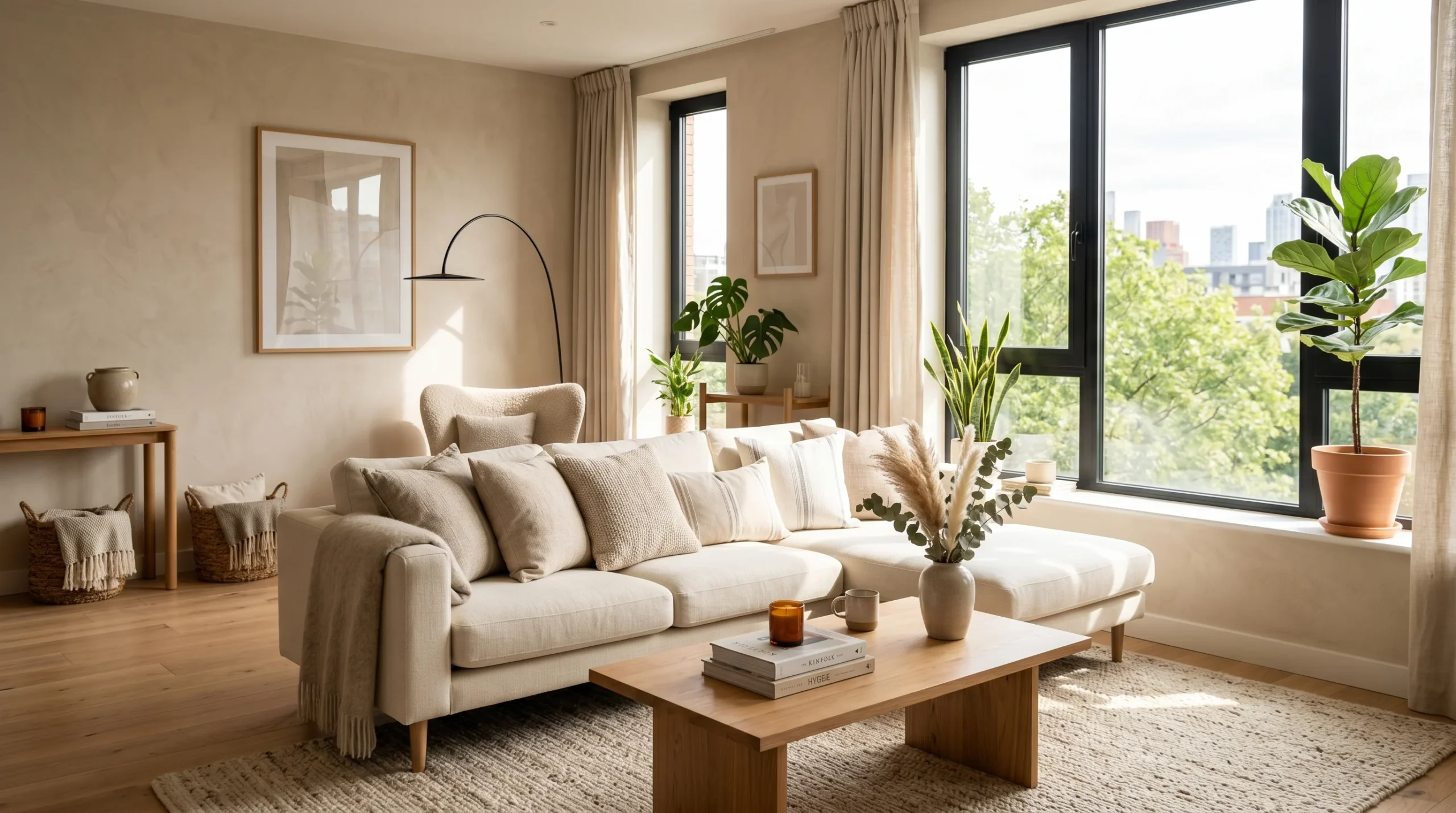
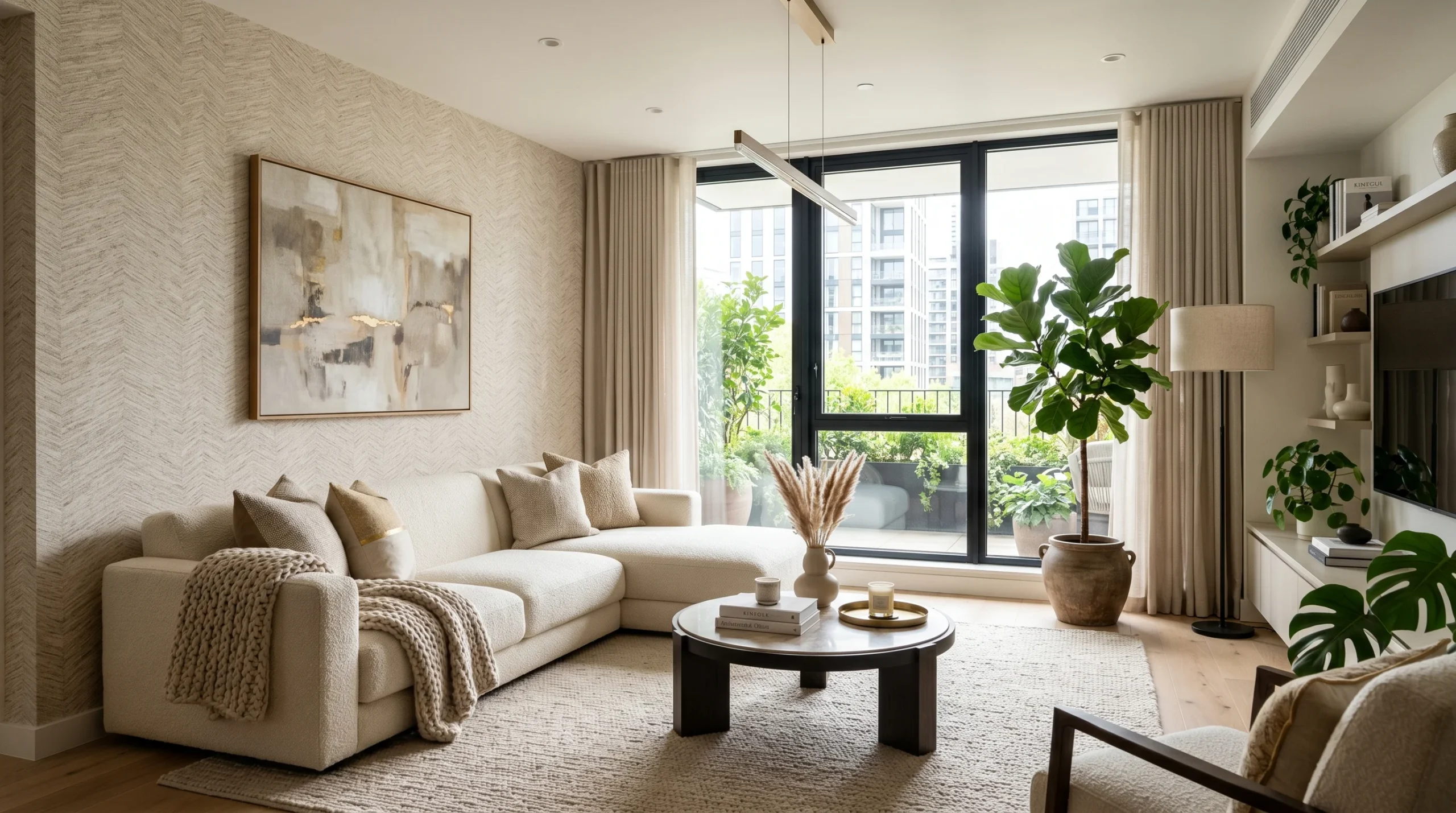
The living room carries a double burden. It has to impress guests and survive your family. That combination is why so many living rooms end up either sterile or chaotic.
TheHomeTrotters blog home ideas approach this room with one firm principle: build function first, then layer beauty on top of it.
The Layered Lighting Strategy That Changes Everything
Single overhead lighting is the most common living room mistake. One fixture washes the room in flat, even light that creates no depth, no warmth, and no visual interest. Swapping or supplementing that single source is the highest-impact, lowest-cost change you can make in a living room.
Layered lighting uses four types of light working together:
- Ambient light: Your general illumination. Overhead fixtures or recessed lights. This is the base layer.
- Task light: Reading lamps near seating, lights near work surfaces. This is functional and directed.
- Accent light: LED strips behind entertainment units, picture lights above art, spotlights on shelving. This creates depth and draws the eye.
- Decorative light: Candles, fairy lights, backlit shelving. This adds atmosphere and personality.
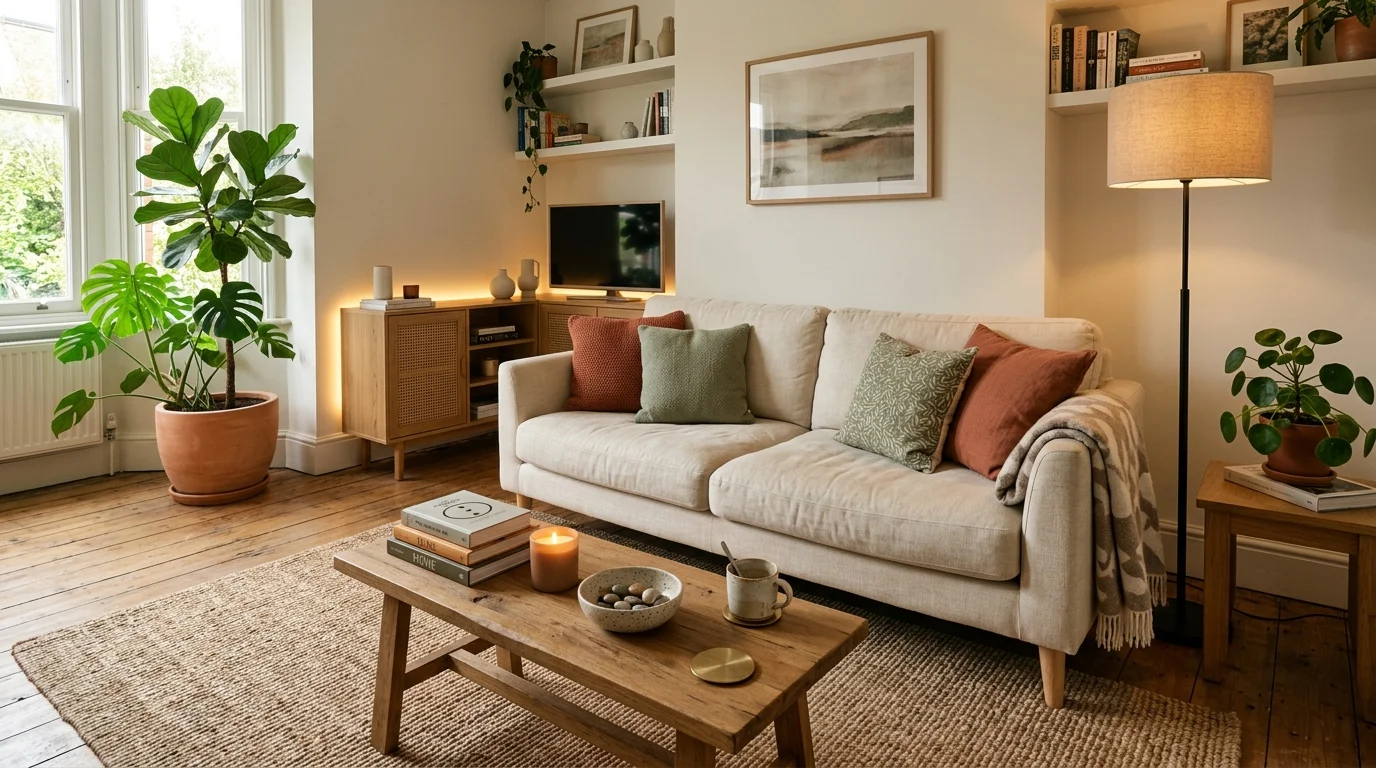
A floor lamp beside the sofa, a small table lamp on a console table, and warm-toned LED strips behind your TV unit will make a room feel completely different from the same room lit by a single ceiling fixture. This costs less than $150 to implement and produces a change that even professional photographers notice.
One specific tip: use warm-toned bulbs (2700K to 3000K) in your living room. They add warmth and make skin tones and wood surfaces look better. Save cooler lighting for kitchens and work areas.
Furniture Arrangement: Stop Pushing Everything Against the Walls
Pushing all furniture against the walls is instinctive but counterproductive. It makes rooms feel larger in theory but emptier and more awkward in practice. Floating furniture toward the center of the room, creating a natural conversation zone where sofas and chairs face each other or a clear focal point, makes rooms feel more intentional and more comfortable.
Practical arrangement rules that work in any size living room:
- Every seat needs a surface nearby. A side table, ottoman, or small tray. Nobody should have to balance a drink in their lap.
- Keep walking paths open. At least 30 to 36 inches of clearance between pieces allows natural movement.
- The sofa should face the room’s focal point, which might be a fireplace, a TV unit, a window, or a piece of art.
- Before committing to a layout, do a 360-degree visual check from every doorway. How does the room look when you first walk in?
Color Palettes That Actually Work in Living Rooms
Color is the most psychologically influential element in any room, and it is the one most people get wrong. The mistake is usually not choosing the wrong color but choosing it from a paint sample card under store lighting, then being surprised when it looks completely different at home.
Always test paint colors on a large section of your actual wall and observe them at different times of day. A soft greige that looks warm and neutral in a showroom can look cold and clinical in a north-facing room in the afternoon.
The palettes that consistently work in living rooms right now are earthy and warm: terracotta, forest green, warm cream, dusty sage, and warm white. Cool grays, which dominated interior design for years, are being replaced by these warmer tones because they feel more human and more livable.
For an accent wall, the rule is simple: one strong wall, three calm walls. The accent wall should anchor the room’s focal point, not fight with it.
Kitchen Home Ideas: Maximum Visual Impact Without a Full Renovation
A full kitchen renovation is one of the most expensive projects in home improvement. Costs typically run between $25,000 and $75,000 for a complete gut renovation. But here is what most homeowners do not realize: the majority of visual impact in a kitchen comes from surface-level elements, not structural ones.
TheHomeTrotters kitchen content consistently makes this point, and it is one of the most practically useful perspectives the blog offers.
The Surface Upgrades That Deliver the Most Change Per Dollar
Before calling a contractor, consider these upgrades that deliver significant visual change at a fraction of renovation costs:
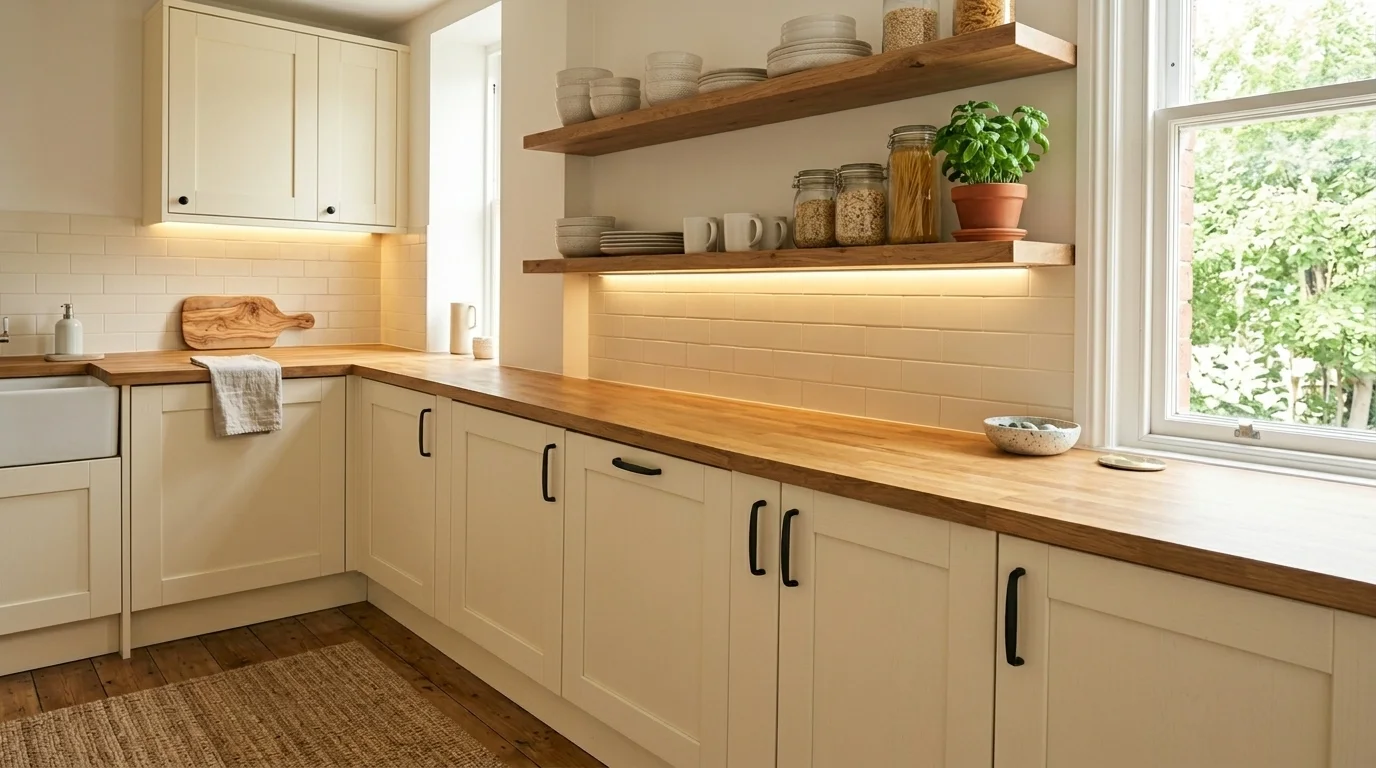
Cabinet refresh instead of replacement. Repainting existing cabinets with chalk paint and replacing the hardware can make a kitchen look completely different for under $300. The hardware change alone, swapping brass knobs for matte black pulls or vice versa, updates the entire feel of the space.
Backsplash without the tile work. Peel-and-stick backsplash tiles have improved dramatically in quality. Many are genuinely difficult to distinguish from traditional tile installation from normal viewing distance. They are also fully removable, making them ideal for renters.
Under-cabinet LED lighting. This is one of the most underused kitchen upgrades. Under-cabinet lights eliminate the shadow that overhead lighting casts on countertops, making food prep easier and the kitchen look professionally finished.
New faucet fixture. A faucet replacement typically costs $100 to $300 for the fixture plus basic installation. It is visible from most points in the kitchen and changes the perceived quality of the whole space.
Open Shelving: How to Do It Right
Open shelving is one of the most debated kitchen choices. It looks effortless in design photographs and genuinely terrible in real life when done without a clear plan.
TheHomeTrotters home decor ideas offer a practical standard for open shelving: only display what you genuinely use and love. Decorative-only shelving collects grease and dust within weeks in a kitchen environment. Functional beauty, displaying everyday dishes you are proud of, works far better than purely aesthetic staging.
The editing rule: ten well-chosen items on a shelf look intentional. Twenty items look like clutter. If you are considering open shelving, commit to the curation that comes with it.
Smart Kitchen Storage That Earns Its Space
Organized kitchens feel larger than disorganized ones of the same size. The most effective storage upgrades are usually the least glamorous:
- Drawer dividers for utensils and small tools
- Pull-out shelves inside lower cabinets, which turn dead back-of-cabinet space into usable storage
- A dedicated rack for cutting boards and baking trays, which typically clutter lower cabinets
- Tall shelves that use vertical space rather than spreading out horizontally
If your kitchen has a pantry, organize it by category and keep the most-used items at eye level. Items used rarely go on high or low shelves. This sounds obvious, but most pantries are organized by when things were purchased, not how often they are used.
Bedroom Design Ideas: Building a Real Recovery Space
A bedroom is not just a place to sleep. The visual and sensory environment of a bedroom directly affects sleep quality, morning mood, and how effectively you recover from a demanding day. TheHomeTrotters blog treats the bedroom with the seriousness it deserves.
The Declutter-First Principle
Before adding anything to a bedroom, identify what to remove. Visual clutter in a bedroom- too many objects on surfaces, a mismatch of colors, furniture that is too large for the room- actively disrupts rest. The bedroom is one room where restraint is almost always the right choice.
A practical audit: stand in the doorway and notice what your eyes land on first. If they land on a pile of clothes, a busy gallery wall, or a desk covered in work materials, that is visual noise affecting your ability to wind down. Each of those things earns or loses its place in the room based on whether it contributes to rest or competes with it.
Bedroom Colors That Support Sleep
Color psychology in bedrooms is not a soft concept. The hues around you as you fall asleep influence how quickly you relax. The best bedroom colors are:
- Soft blue-greens and dusty sage (calming, associated with nature and rest)
- Warm cream and oat tones (cozy, visually quiet)
- Muted lavender (reduces tension without feeling cold)
- Warm terracotta used sparingly as an accent (grounding without stimulating)
Colors to avoid in bedrooms: bright orange, vivid red, saturated yellow. These are energy colors. They read as activating to the brain, which is the opposite of what you want in a sleep environment.
For lighting, keep the bedroom firmly in warm-toned territory. Bulbs at 2700K or lower support the natural shift toward sleep. Avoid cool white or daylight bulbs in bedside lamps.
Multi-Functional Bedroom Furniture That Makes Sense
In smaller bedrooms especially, every piece of furniture should justify the floor space it takes. Multi-functional furniture is not a compromise. It is smart design.
The pieces that earn their place most consistently:
- Storage beds: These eliminate the need for a separate chest of drawers in smaller bedrooms, keeping the floor clear and the room feeling open.
- Murphy beds: In a bedroom that doubles as a home office, a Murphy bed converts the entire room during working hours and back again at night.
- Bedside tables with drawers: Simple, but a bedside surface with at least one drawer keeps nighttime essentials accessible without cluttering the surface.
- Ottoman at the foot of the bed: Functions as seating, storage, and a visual anchor for the bedding arrangement.
Creating a Hotel-Feel Bedroom Without the Hotel Budget
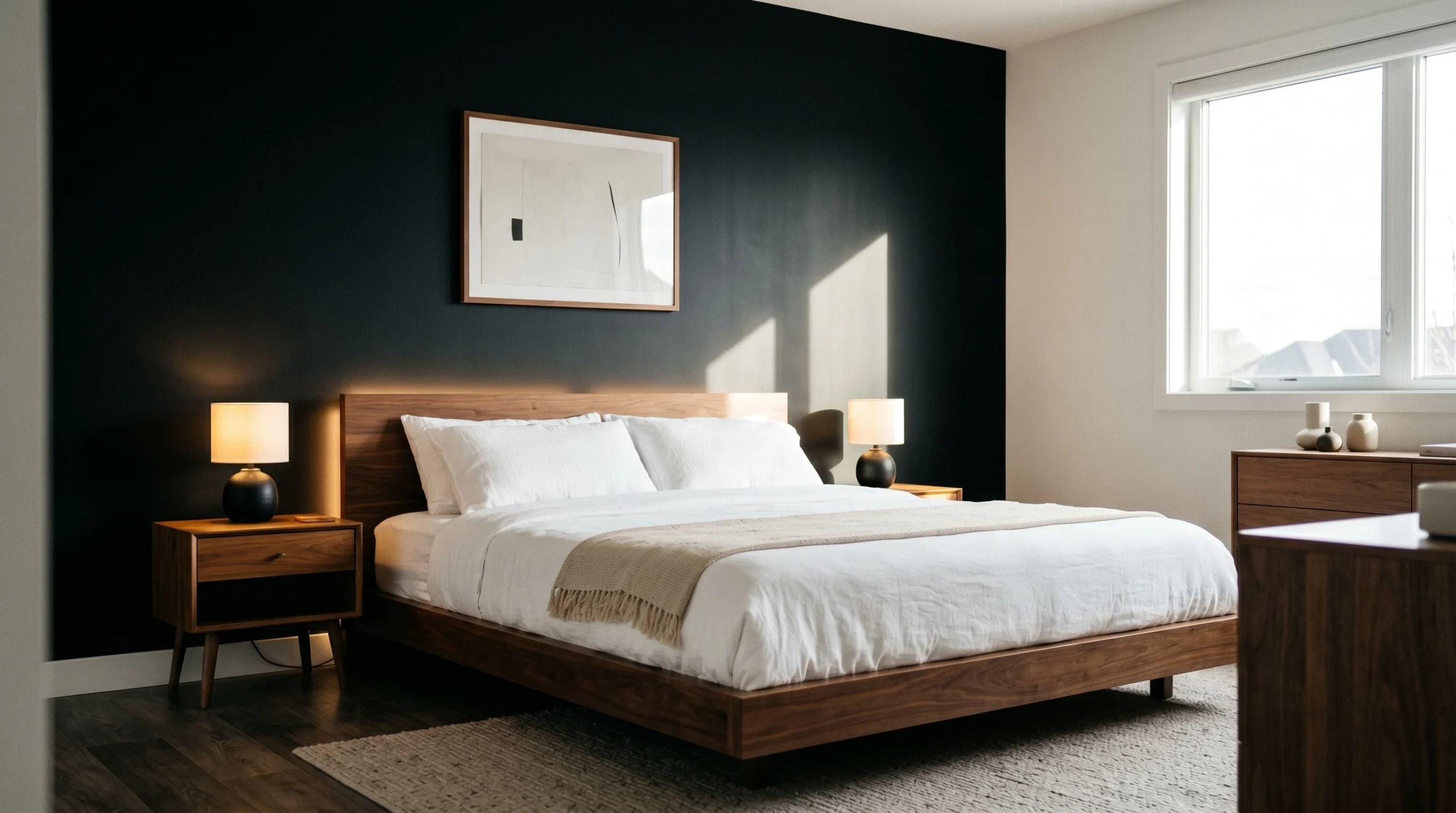
The reason hotel rooms feel restful is not that they are expensive. It is because they are edited. Every surface has exactly what is needed and nothing that is not. You can replicate this at home with three changes:
- Invest in quality bedding in a neutral, cohesive palette. White, cream, or warm gray. Layer a throw at the foot for texture.
- Clear every surface. One lamp, one small item, and nothing else on each nightstand.
- Add one piece of framed wall art above the bed. Properly scaled art, meaning large enough to fill roughly two-thirds of the width of the bed, is one of the most impactful and affordable bedroom upgrades.
Bathroom Ideas: Spa Atmosphere Without Spa Costs
Bathrooms are among the most challenging rooms to improve because structural changes are expensive and disruptive. The good news is that most of what makes a bathroom feel luxurious is surface-level.
Fixture and Finish Swaps That Actually Matter
TheHomeTrotters home decor ideas for bathrooms consistently focus on the fixtures that are most visible and most frequently touched. These swaps deliver disproportionate impact:
Rainfall showerhead. This is one of the most-cited bathroom upgrades in TheHomeTrotters content, and for good reason. A rainfall showerhead changes the shower experience completely and typically costs between $30 and $150 for the fixture. Most can be installed without a plumber by anyone comfortable with basic tools.
Faucet and tap hardware. Matching the faucet, towel rails, toilet roll holder, and cabinet handles in one finish (matte black, brushed brass, brushed nickel) gives a bathroom a cohesive, intentional look regardless of its age.
Grout refresh. Discolored grout makes even clean tile look dirty. Grout pen touch-ups or a professional grout cleaning costs very little and changes the perceived cleanliness and quality of the whole space.
The Mirror and Lighting Combination
Two things make a small bathroom feel larger and more finished: a well-chosen mirror and the right lighting.
Mirrors placed opposite or adjacent to the window double the natural light in the space and create visual depth. In bathrooms without a window, a large mirror with proper lighting around or behind it (a backlit mirror) replicates that effect.
Lighting in bathrooms should serve two purposes: task lighting for grooming, which needs to be even and shadow-free, and ambient lighting that makes the space feel pleasant at other times. A backlit mirror addresses both. Sconces on either side of a standard mirror also eliminate the unflattering top-down shadows that ceiling fixtures create.
Home Office and Small Space Ideas: Making Every Square Foot Count
Home offices have shifted from bonus spaces to essential ones. At the same time, most homes were not designed with dedicated workspaces in mind. The challenge is carving out a functional, focused area in a home that was built for other purposes.
Setting Up a Productive Workspace in Any Room Size
You do not need a dedicated room to have a functional home office. A corner, a wide hallway, a bedroom alcove, or even a large closet converted into a workspace can serve the purpose if it is set up correctly.
The essentials of any functional workspace:
- A surface at the right height (desk or table at approximately 28 to 30 inches for seated work)
- A chair that supports good posture
- Dedicated task lighting (an adjustable desk lamp reduces eye strain significantly)
- Visual separation from the rest of the living space, even if it is just a bookshelf used as a divider or a curtain panel
Sliding or fold-down desks are worth considering in tight spaces. They occupy almost no room when not in use and provide a proper work surface when needed.
Vertical Storage: The Most Underused Small Space Strategy
Most small space advice focuses on horizontal space. The bigger opportunity is almost always vertical.
Floor-to-ceiling shelving units do two things simultaneously: they maximize storage, and they draw the eye upward, which makes the ceiling feel higher and the room feel larger. Rooms with tall shelving consistently feel more spacious than rooms of the same dimensions without them.
In small spaces, the priority order for storage is:
- Use wall height before floor space
- Use furniture with built-in storage (beds, ottomans, benches with drawers) before adding separate storage pieces
- Rotate seasonal items into storage rather than keeping everything accessible year-round
Mirror Placement That Actually Makes Rooms Feel Bigger
Mirrors are one of the most effective small space tools when placed correctly. The key is intentional placement, not just hanging a mirror because mirrors are supposed to make rooms look bigger.
The placement that works best: position a large mirror directly opposite a window. It reflects natural light into the room and creates the visual impression of a second window or even a second room beyond it.
In hallways and narrow spaces, a full-length mirror on the end wall adds perceived depth. In bedrooms, a wardrobe with mirrored doors replaces the need for a separate mirror while serving a functional purpose.
Outdoor and Balcony Ideas: Reclaiming the Space You Are Already Paying For
Outdoor spaces are some of the most underused square footage in a home. Whether you have a small balcony, a terrace, a garden, or a full patio, these areas can function as genuine extensions of your living space rather than storage overflow zones.
Turning a Small Balcony into a Space You Actually Use
A small balcony does not need much to become somewhere you want to spend time. The difference between a balcony that gets used and one that holds a dying plant and a forgotten chair usually comes down to three things: comfort, atmosphere, and purpose.
Comfort: A cushioned chair or small outdoor bench makes a balcony inviting. Foldable options take up almost no space when stored but make the space functional when set up.
Atmosphere: String lights or solar lanterns transform a balcony in the evening. They cost very little, require no wiring, and create a warmth that makes the space feel intentional rather than incidental.
Purpose: Give the balcony a defined role. A reading corner with one chair, one small table, and good lighting. A herb garden with three or four pots of herbs you actually cook with. A morning coffee spot with two chairs facing outward. Having a purpose stops the space from becoming a catch-all.
Garden and Patio Maintenance That Protects Your Investment
TheHomeTrotters home repairs philosophy extends to outdoor spaces. Outdoor maintenance is not glamorous,s but it prevents expensive problems.
Practical outdoor maintenance standards:
- Maintain 2 to 3 inches of mulch in garden beds to retain moisture and reduce weed growth
- Trim trees and large shrubs to maintain at least 10 feet of clearance from your roofline, which prevents storm damage
- Clean gutters at least three times per year (spring, late summer, and late fall) to prevent water damage to fascia boards and foundations
- Check exterior window seals annually and replace failing sealant before water intrusion becomes a problem
These are not design ideas. But they protect the space you are investing in styling.
Smart Home Technology: TheHomeTrotters ‘ Tech Perspective
TheHomeTrotters includes a dedicated technology section at tech.thehometrotters.com, which separates it from most home decor blogs. The perspective there is consistent: technology should enhance daily life when thoughtfully integrated, not be the focal point of a room.
Smart Upgrades That Genuinely Improve How a Home Functions
Not all smart home upgrades are equal in practical value. The ones that consistently deliver the most day-to-day benefit:
Smart thermostat. Devices like the Nest or Ecobee learn your schedule and adjust heating and cooling accordingly. The energy savings typically offset the device cost within one to two years. Beyond savings, the comfort improvement- never returning to a cold or overheated home- is immediate.
Smart lighting with dimmer control. Smart bulbs or smart switches that integrate with voice assistants allow you to create lighting scenes for different times of day. A single tap can shift the living room from bright daytime light to warm evening ambiance. This combines the layered lighting strategy with automation.
Smart locks and video doorbells. These are primarily security upgrades, but they also eliminate the practical friction of managing keys for family members and service visitors. The peace-of-mind benefit for homeowners is significant.
How to Integrate Technology Without Disrupting the Aesthetic
Technology looks worst in a home when it is an afterthought. Cables trailing across surfaces, routers left in plain sight, TV screens mounted without any consideration for the surrounding space.
Simple integration principles:
- Cable management channels in the same color as your wall surface make cables nearly invisible
- Smart speakers built into bookshelves or placed on dedicated surfaces (rather than left wherever the cable reached) look intentional
- TV units that enclose devices behind doors keep the visual focus on the screen, not the equipment
Eco-Friendly Home Ideas: Sustainable Choices That Also Look Good
Sustainable home design has moved from a niche preference to a mainstream consideration. TheHomeTrotters covers this angle consistently, and the best sustainable choices have something in common: they tend to look better and last longer than their less sustainable alternatives.
Materials That Are Both Sustainable and Visually Strong
Bamboo flooring grows to harvest maturity in three to five years, compared to decades for traditional hardwoods. It is also harder than most domestic wood species, which means it holds up well in high-traffic areas.
Reclaimed wood brings a visual quality that new wood cannot replicate. The grain patterns, the marks of age, and the variation in tone give reclaimed wood a depth that manufactured finishes often imitate but rarely match.
Cork is harvested without cutting down trees (the bark regenerates) and provides natural thermal and acoustic insulation. Cork flooring and wall tiles are soft underfoot, quiet, and increasingly available in finishes that look nothing like the cork boards you remember from school.
Low-VOC paint eliminates the chemical off-gassing associated with traditional paints. This is a health benefit as much as an environmental one, particularly important in bedrooms and rooms where children spend significant time.
Budget-Friendly Sustainable Choices
Sustainable choices and budget-friendly choices overlap more than most people expect:
- Secondhand furniture sourcing reduces waste and almost always costs less than buying new
- LED lighting uses roughly 75% less energy than incandescent bulbs and lasts significantly longer, reducing both cost and waste over time
- Choosing one or two high-quality pieces over several lower-quality ones reduces the frequency of replacement, which is both more sustainable and more economical long-term.m
Renter-Friendly Home Ideas: Making a Rental Feel Like Yours
One of the biggest gaps in home decor content online is the assumption that everyone owns their home. A large portion of people searching for home ideas live in rental properties where permanent changes are either prohibited or impractical. These ideas are specifically for renters.
Removable Upgrades That Look Permanent
The removable products available today are considerably better than they were even five years ago. Many produce results that are genuinely difficult to distinguish from permanent installations:
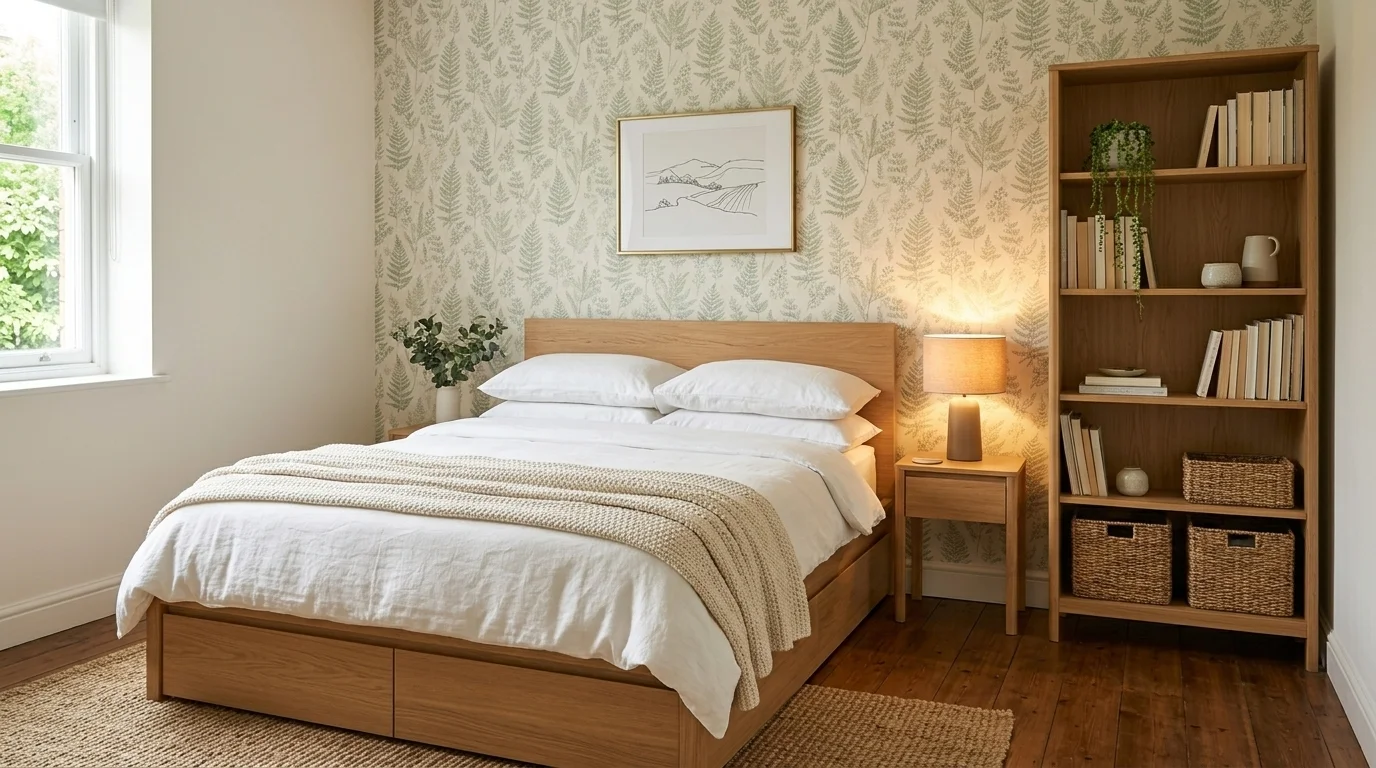
Peel-and-stick wallpaper is available in hundreds of patterns and textures, including options that closely replicate traditional wallpaper, grasscloth, and even stone. It removes cleanly from most wall surfaces without damaging paint.
Peel-and-stick backsplash tiles in the kitchen and bathroom create the look of a tiled surface without adhesive or grout. Most rental agreements do not restrict these because they are fully reversible.
Command hook gallery walls allow you to hang art and mirrors without drilling. For heavier pieces, adhesive hanging strips rated for the appropriate weight are available at most hardware stores.
Removable window film adds privacy and pattern to windows without affecting the glass permanently. It is particularly useful in ground-floor apartments.
Furniture and Soft Furnishing Strategies for Rented Homes
When you cannot change the floors, the walls, or the fixtures, the furniture and soft furnishings carry more visual weight than they would in a home you own.
- A large area rug defines the space and covers floors you cannot change. In open-plan rentals, rugs also help zone different areas visually.
- Curtains hung from tension rods require no drilling and allow you to replace the landlord’s practical but uninspiring window coverings with something that reflects your own taste.
- Freestanding shelving units create storage and display space without wall fixings.
- Floor lamps eliminate dependence on the overhead lighting that most rentals install for practicality rather than atmosphere.
Pet-Friendly and Family-Friendly Home Design
Real homes are lived in. Pets jump on furniture. Children reach things they should not. Fabrics get stained. Any home design that does not account for the actual occupants, human and animal, will look worn within a year and frustrating before that.
Durable Materials That Do Not Sacrifice Style
The most pet-friendly and family-friendly materials are not the most beautiful in a showroom. They are the ones that look good after two years of actual use.
Performance fabrics have changed the furniture market. Microfiber, solution-dyed acrylic, and outdoor-rated fabrics used indoors resist staining, repel pet hair, and can be wiped clean without damaging the fabric. Many are indistinguishable from less practical upholstery in appearance.
Luxury vinyl plank flooring is scratch-resistant, waterproof, and available in formats that closely replicate wood or stone. For households with dogs especially, it holds up where hardwood does not.
Washable slipcovers on sofas mean that a spill or a muddy paw print is a laundry problem, not a furniture replacement problem. Some slipcover sofas are specifically designed for this, with covers that go straight into the washing machine.
Designing for Children Without Losing the Adults
Family-friendly design does not have to mean primary colors and plastic storage. The adjustments that make spaces work for children while still feeling like adult spaces are mostly about practicality:
- Wipeable paint finishes (eggshell or satin rather than matte) in rooms where children play. Matte paint marks easily and does not clean well. Eggshell holds up to wiping without losing its finish.
- Storage ottomans instead of coffee tables eliminate sharp corners and provide toy storage.
- Low-level accessible storage for children’s things means toys are put away independently rather than left on the floor.
- A defined play area within a shared room, marked by a rug and low shelving, gives children their space without the entire room becoming a playroom.
The Most Common Home Decorating Mistakes (And How to Fix Them)
These are the errors that appear most frequently in real homes, the ones that make spaces feel wrong without anyone being able to identify exactly why.
Mistake 1: Choosing Paint from a Small Sample Card
Paint samples viewed in a store are approximately two inches square and lit by retail lighting. Your walls are large and lit by a completely different light source that changes throughout the day. The color you choose from a sample card has about a 50% chance of looking the way you expected it to look on your actual walls.
The fix: buy a sample pot and paint a section of your wall that is at least 12 by 12 inches. Observe it at different times of day and in different lighting conditions:s, morning sunlight, afternoon shade, evening artificial light. Only then commit to a full tin.
Mistake 2: Starting with Furniture Before Understanding the Room
Buying furniture before you have mapped the room’s function, traffic flow, and focal points is one of the most costly decorating errors. It leads to sofas that block natural pathways, dining tables that crowd the space, and beds positioned against the only wall that makes the room feel cramped.
The fix: sketch the room dimensions on paper (or use a free room planning tool) and place furniture on paper before buying anything. Confirm that every piece you intend to buy fits both the room dimensions and the way you actually use the space.
Mistake 3: One Overhead Light as the Only Light Source
Covered in the living room section and worth repeating here because it affects every room in the home. A single overhead fixture creates flat, even, uninviting light regardless of how beautiful the fixture itself is.
The fix: add at least one secondary light source in every room. A floor lamp, a table lamp, or under-cabinet lighting. The layered effect is immediate and significant.
Mistake 4: Furniture That Is the Wrong Scale
Too-small furniture in a large room looks lost. Too-large furniture in a small room suffocates it. Scale is the single most technically overlooked element of furniture selection, possibly because furniture is usually chosen in a showroom context rather than in the context of the actual room it will occupy.
The fix: measure your room and the furniture before purchasing. Use painter’s tape on the floor to mark the footprint of large pieces. Stand in the room and look at the tape outline. This takes ten minutes and prevents expensive returns.
Mistake 5: Ignoring the Rug Size
A too-small rug is one of the most common living room mistakes. It places the rug as an island in the middle of the room rather than as a unifying element. The furniture floats above it rather than sitting on it, which disconnects the whole arrangement.
The standard rule: in a living room, the front legs of all major seating pieces should sit on the rug. In a bedroom, the rug should extend at least 18 to 24 inches beyond each side of the bed. When in doubt, buy larger.
DIY Home Projects Organized by Skill Level
Beginner Projects (Under $50, Under Two Hours)
These require no specialist skills and produce immediate visible results:
- Gallery wall with thrift store frames. Collect frames in coordinating finishes, fill with personal photos or affordable art prints. It personalizes a wall completely for under $30.
- Cushion cover refresh. New cushion covers in a cohesive color palette update a sofa without replacing it. This is one of the fastest ways to shift a room’s color scheme.
- Chalk paint furniture refresh. A dated wooden chair or bedside table painted in chalk paint and lightly distressed becomes a piece with character rather than one that looks worn out.
- Shelf styling. Removing everything from a shelf and restyling it with the principle of three (group objects in threes, vary heights, mix textures) takes under an hour and changes how the whole room reads.
Intermediate Projects ($50 to $500, Weekend Commitment)
- Accent wall. Painting one wall in a bold or contrasting color, or applying limewash paint for texture, takes a weekend and transforms a room.
- Floating shelf installation. Adding floating shelves to a bare wall creates storage and display space and makes a room feel more finished.
- Peel-and-stick backsplash. In a kitchen or bathroom, this produces significant visual change in an afternoon.
- Outdoor string light installation. Turning a plain outdoor space into somewhere you want to spend time after dark takes an afternoon and a weatherproof extension lead.
Advanced Projects (Over $500, Professional Recommended)
- Full cabinet replacement
- Flooring installation across multiple rooms
- Bathroom tile work
- Any work involving electrical rewiring or plumbing changes
For these, TheHomeTrotters homerepairs content is the right starting point. Know what is involved before deciding whether to DIY or hire.
Seasonal Home Refresh: Keeping Your Space From Feeling Stale
A home does not need a renovation to feel fresh. Seasonal updates to soft furnishings, plants, and lighting create a sense of change and renewal without structural work.
Spring and Summer: Light, Open, and Alive
- Swap heavy curtains or drapes for sheer linen panels that let light through
- Introduce fresh botanicals: a potted herb garden on the kitchen windowsill, a statement plant in a living room corner.
- Replace warm-toned cushions and throws with lighter fabrics in softer colors.
- Move furniture slightly to let more natural light reach the center of the room.
Autumn and Winter: Warm, Layered, and Cozy
The hygge design philosophy, which comes from Danish and Norwegian culture and centers on creating warmth and coziness at home, is essentially a seasonal design strategy:
- Layer rugs (a jute base with a softer rug on top creates texture and warmth)
- Add throws to every seating surface
- Introduce candlelight as a primary evening light source
- Swap cool-toned accent decor for earth tones: amber, rust, warm brown, deep green
Seasonal refresh does not require buying new things each season. It requires rotating what you have. Store summer soft furnishings in autumn and bring them back in spring. The change feels significant even though nothing new was purchased.
Home Maintenance: Protecting What You Have Built
TheHomeTrotters homerepairs section is one of the features that distinguishes the blog from pure decor sources. Maintenance is glamorous,u s but it is the foundation that makes everything else worth doing. A beautifully decorated home with a failing roof or a damp problem is a home with its priorities in the wrong order.
A Practical Home Maintenance Schedule
Monthly:
- Check HVAC filters and replace if dusty (a clogged filter reduces efficiency and air quality)
- Test smoke detectors
Every 60 days:
- Test carbon monoxide detectors
Quarterly:
- Test sump pump if applicable
Twice per year (spring and autumn):
- Professional HVAC service
- Inspect window and door seals for air leaks
Annually:
- Clean gutters (at minimum; three times per year is better)
- Inspect exterior for paint or sealant failures
- Check roof from ground level for missing or damaged materials
Staying on top of these tasks prevents small problems from becoming expensive ones.
Frequently Asked Questions About HomeTrotters Blog
What is TheHomeTrotters blog?
TheHomeTrotters is a US-based home improvement and interior design blog at thehometrotters.com. It covers home decor, DIY projects, room-by-room design, smart home technology, and home repairs under one platform. Contributors include Trisha McNamara and Craig Forsythe, among others.
Are TheHomeTrotters homes suitable for renters?
Yes. While not all ideas on the blog are renter-specific, many of the principles (layered lighting, furniture arrangement, soft furnishings, color strategy) apply equally to rented and owned homes. Renter-specific ideas include peel-and-stick products, removable wallpaper, tension rod curtains, and freestanding furniture solutions.
How do I start improving my home if I have almost no budget?
Start with what costs nothing: rearrange the furniture, declutter every surface, and change the lighting by moving an existing lamp to a different position. These three actions change how a room feels without spending anything. The next step is a $10 to $20 cushion cover swap or a shelf restyle.
What is the single most impactful home upgrade for most homes?
Layered lighting. Adding a floor lamp and a table lamp to a room that previously relied on a single overhead fixture produces an immediate and significant change in atmosphere. It is inexpensive, reversible, and works in every room.
How does TheHomeTrotters approach small space design?
The consistent principle is vertical storage first, multi-functional furniture second. Floor-to-ceiling shelving, storage beds, foldable tables, and mirrored surfaces are the core tools. The goal is making the space serve more purposes without adding more square footage.
What design styles does TheHomeTrotters cover?
The blog covers a wide range, including Scandinavian, bohemian, farmhouse, mid-century modern, coastal, minimalist, and maximalist styles. The approach is not prescriptive: readers are encouraged to identify what they are drawn to and build from there rather than following a single style rigidly.
Does TheHomeTrotters cover smart home technology?
Yes. The tech section at tech.thehometrotters.com covers smart thermostats, smart lighting, home security devices, and integration strategies. The editorial angle is practical rather than tech-enthusiast: the question asked is always whether the technology genuinely improves daily life.
What eco-friendly materials does TheHomeTrotters recommend?
Commonly featured sustainable materials include bamboo flooring, reclaimed wood, cork, recycled glass countertops, and low-VOC paints. The blog also covers secondhand sourcing and LED lighting as accessible budget-friendly sustainable choices.
How often should I refresh my home decor?
A seasonal refresh twice a year, spring and autumn, is enough for most homes. This means rotating soft furnishings, updating plants, and adjusting lighting rather than buying new things. A room that feels stale usually needs editing, not adding.
What is the home repairs section of TheHomeTrotters?
Thome repairsirs content covers practical home maintenance and repair tasks: fixing leaking faucets, maintaining appliances, seasonal exterior upkeep, and knowing when a job requires a professional versus when it is manageable as a DIY project.
Where to Start Today
TheHomeTrotters blog home ideas work because they respect the reality of how people actually live. The best home improvement advice meets people where they are, not where a magazine imagines them to be.
The most useful thing you can take from this guide is the framework rather than any individual tip. Understand your space before you change it. Define what you want it to feel like. Rate the changes you want to make by their likely impact and realistic cost. Then start small.
A floor lamp in a room that only had an overhead light. One wall painted in a color that actually feels like you. A rug sized correctly for the first time. A shelf restyled to actually look intentional.
None of those changes are complicated. All of them make a real difference.
For more, explore thehometrotters.com by category: home decor ideas, home repairs, and the tech section at tech.thehometrotters.com. The content is consistently grounded, practical, and worth your time.
Published for informational and home improvement guidance purposes. Cost estimates are approximate and will vary by region, supplier, and project scope.

Leave a Reply