

A floor bed is exactly what it sounds like: a bed that sits at or very close to floor level, with no tall frame, no bulky base and often no headboard. It has long been part of Japanese interiors, it is a favourite in Montessori-style children’s rooms, and it has become a firm favourite with anyone who loves a calm, minimalist bedroom. If you are wondering whether a floor bed is practical, comfortable and safe, this guide walks through everything you need to know before you make the switch.
What Is a Floor Bed?
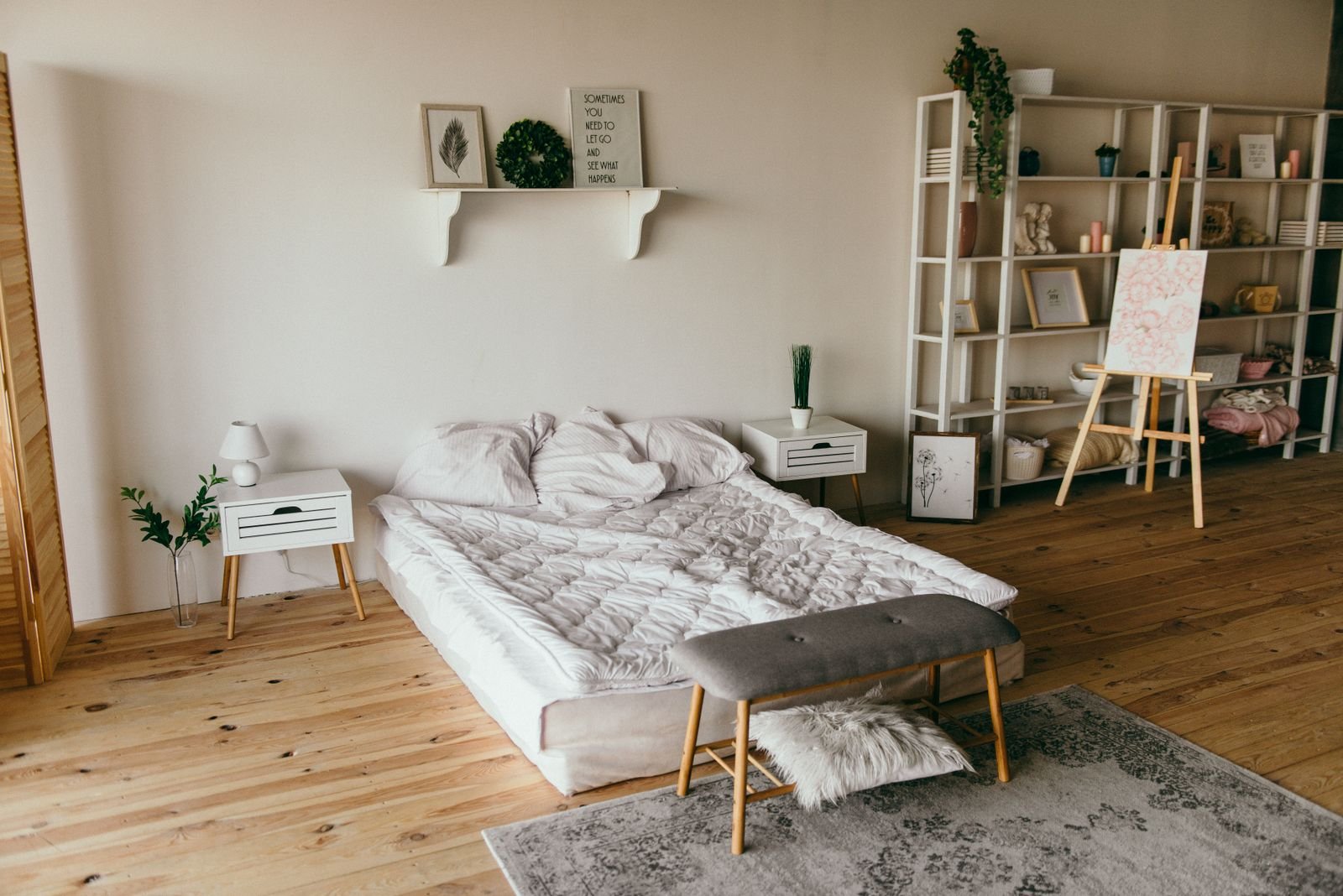
At its simplest, it is a mattress placed on the floor. In practice, most people go for something slightly more considered: a very low frame, a slatted base or a platform that lifts the mattress just a few centimetres off the ground. The common thread is the low profile. By ditching the tall frame, you open up the room, lower the visual height of the furniture and create a relaxed, grounded feel that is hard to get with a traditional bed.
The idea is far from new. In Japan, sleeping on futons laid over tatami mats has been the norm for centuries, and the bedding is traditionally folded away and aired during the day. Today’s version borrows that simplicity but usually keeps the mattress out permanently.
Types of Floor Bed to Consider
Not every low bed is the same, and the right choice depends on who it is for and how you live.
- Mattress directly on the floor. The simplest and cheapest option. It works best on a hard, dry floor with regular airing, which we cover below.
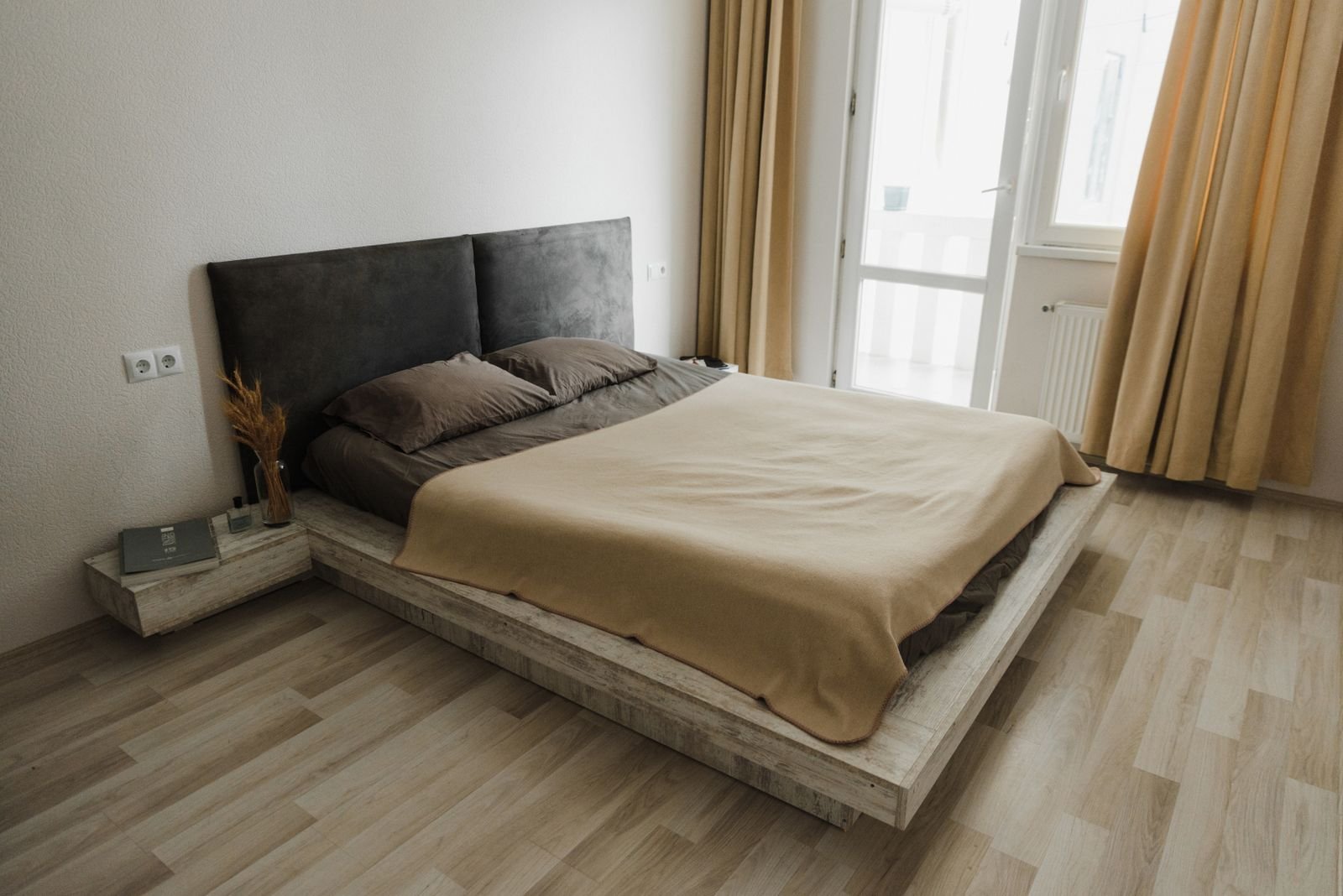
- Low platform frame. A solid wooden or upholstered base that sits just above the floor. It is tidier, keeps the mattress cleaner and gives you a defined edge to sit on.
- Slatted low base. A frame with gaps between slats, so air can circulate beneath the mattress. This is the most sensible choice for anyone worried about damp.
- Japanese-style futon or tatami set-up. A thin, firm mattress on a woven mat, designed to be rolled up or folded. It is brilliant for small spaces and multi-purpose rooms.
- Toddler or Montessori style. A small low bed, often with a simple house-shaped or open frame, designed so a young child can climb in and out independently.
The Benefits of a Floor Bed
There is a reason this style keeps gaining fans. The main advantages are:
- It makes rooms feel bigger. A low bed leaves more visible wall and window, so even a small bedroom feels airier.
- It is budget friendly. With no expensive frame to buy, you can put more of your budget towards a good mattress.
- It suits minimalist and Scandinavian style. Clean lines and a lack of clutter are exactly what this look is about.
- It is easy to move. With no heavy frame to dismantle, rearranging the room or moving home is far simpler.
- It is great for children. A bed at floor level removes the risk of a fall from height and lets older toddlers build independence.
The Downsides You Should Know About
It is not all upside, and it is better to know the drawbacks before you commit.
- Moisture and mould. A mattress with no airflow beneath it can trap moisture, particularly in cold, damp rooms. This is the biggest issue and it is easy to avoid with the right base.
- Getting up and down. Anyone with stiff knees, back problems or limited mobility may find a very low bed uncomfortable to use.
- Dust and cleaning. The mattress sits closer to dust and floor debris, so you will need to vacuum around and beneath it more often.
- Cooler sleeping. Cold air settles near the floor, so winter nights can feel chillier than on a raised bed.
- Less storage. There is no space under the bed, so you will need to plan storage elsewhere in the room.
Is a Floor Bed Safe for Toddlers?
Many parents move to a low bed when their child outgrows the cot, and it can work very well. Because the mattress is so close to the ground, there is little risk if a child rolls out, and they can get in and out on their own. That said, safety rests on how the whole room is set up, not just the bed. Safe-sleep organisations generally advise that babies under 12 months sleep in a cot or Moses basket, so this approach is normally for toddlers. If you are unsure about the right time, your health visitor or GP is the best person to ask.
Before the move, go through the room as if you were seeing it for the first time at child height:
- Anchor wardrobes, bookcases and chests of drawers securely to the wall.
- Cover or block plug sockets and keep cables well out of reach.
- Fit window restrictors and make sure blind cords are safely secured or removed.
- Keep the floor clear of small objects, and choose a firm mattress with no loose pillows or heavy bedding for younger children.
- Consider a stair gate on the bedroom door if the child could wander at night.
How to Keep a Floor Bed Fresh and Mould Free
Good airflow is the single most important thing. A few habits make a big difference:
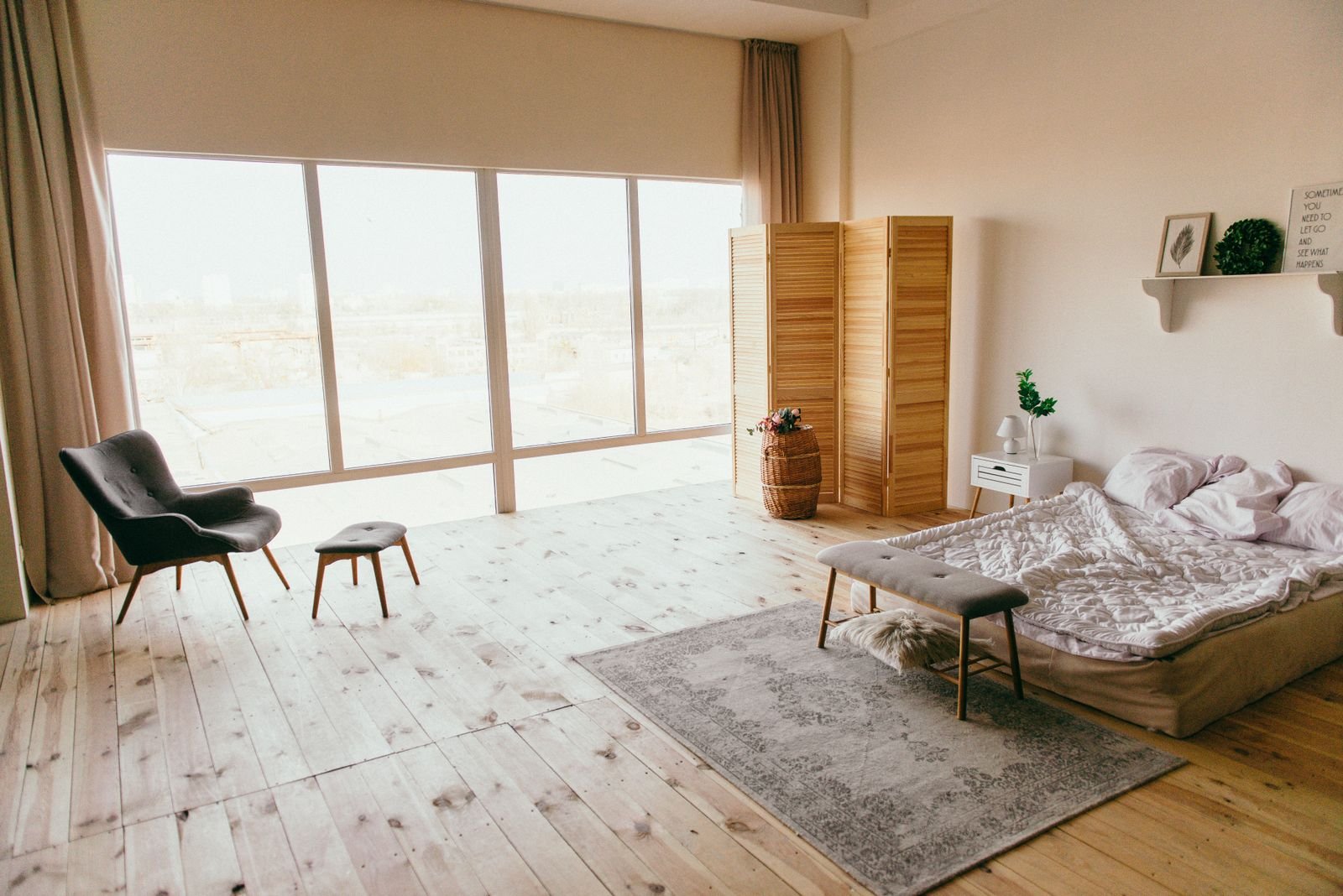
- Choose a slatted base or a breathable platform rather than placing the mattress flat on the ground, especially on carpet or in a cold room.
- Lift and stand the mattress up against a wall every week or two so both the mattress and the floor can dry out.
- Rotate the mattress regularly so wear and moisture are spread evenly.
- Keep the room ventilated and consider a dehumidifier if condensation is a problem.
- Vacuum under and around the bed often, and wash bedding on a regular schedule.
Choosing the Right Mattress and Size
Because there is no frame doing any of the work, the mattress matters even more. Look for a firm, well-made option that holds its shape, such as a quality foam, latex or hybrid design, and check that it is suitable for use on a slatted or solid base. In the UK, the usual sizes still apply: single (90 x 190 cm), double (135 x 190 cm), king (150 x 200 cm) and super king (180 x 200 cm). Leave enough space around the bed so you can get in and out comfortably and make it easily.
Styling Ideas for a Floor Bed
A low bed can look wonderfully intentional, or slightly unfinished if you leave it bare. These ideas help it feel like a considered design choice:
- Anchor it with a rug. A large, soft rug defines the sleeping zone and adds warmth underfoot.
- Add a simple headboard alternative. A wall-mounted panel, a piece of large art or a row of cushions gives the bed a focal backdrop.
- Keep side tables low. A small bench, stool or floating shelf at the right height is more practical than a traditional bedside cabinet.
- Layer natural textures. Linen bedding, wool throws and wood tones soften the minimalist look. If you like natural weaves, our rattan bed guide has more inspiration.
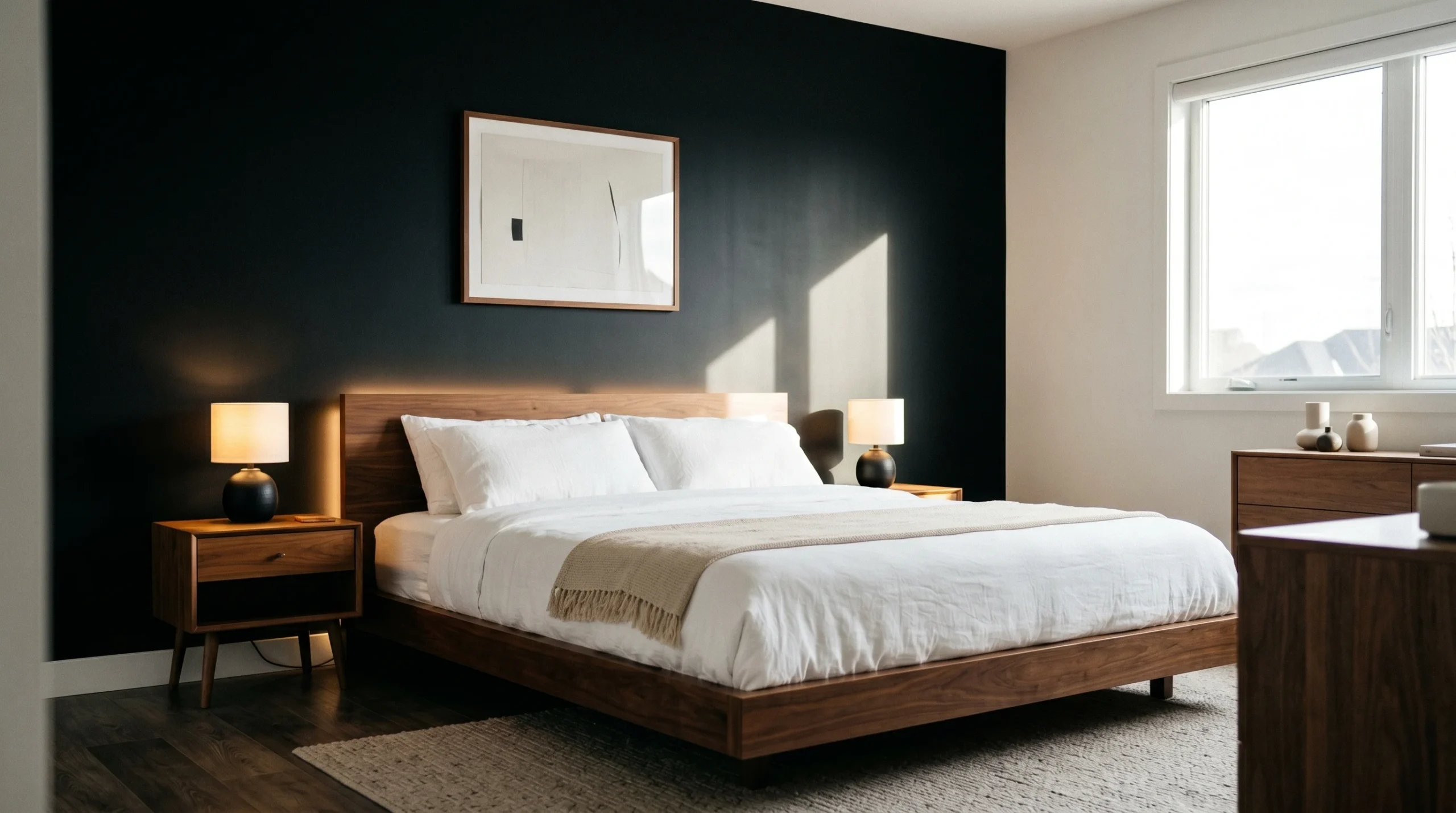
- Experiment with colour. A low bed looks striking against deep walls. Take a look at our guides to bedroom design in black and a dark academia bedroom for ideas.
- Use warm lighting. Wall lights, a floor lamp or a small table lamp give you softer light at the right height.
Who Is a Floor Bed Best For?
This style suits minimalists, renters who move often, parents of toddlers, anyone short on space and people who simply enjoy a grounded, low-key look. It is probably not the best fit if you have significant mobility or joint issues, live in a very damp property, or rely on under-bed storage to keep your room tidy. In those cases, a slightly raised platform or a standard low-profile frame may be a more comfortable middle ground.
Frequently Asked Questions
Is it bad to sleep on a mattress on the floor?
It is not harmful in itself, but a mattress with no airflow can build up moisture and mould, and floor-level air can be cooler and dustier. Using a slatted base and airing the mattress regularly solves most of the problems.
Will a low bed damage my flooring?
A mattress on its own is unlikely to damage hard flooring, but trapped moisture can mark wood over time. A breathable base and regular lifting and airing protect both the floor and the mattress.
Can adults use a toddler-style low bed?
No. Toddler designs are sized and rated for small children. Adults should look for a low platform frame or mattress base made for adult weight and size.
Final Thoughts
Choose the right base, keep air moving around the mattress and style it with a few thoughtful touches, and a floor bed can be one of the most stylish, practical and affordable choices in your home. Whether you want to simplify a small bedroom, create a safe space for a growing toddler or simply embrace a more relaxed way of sleeping, it is a design idea that is well worth considering.


Leave a Reply