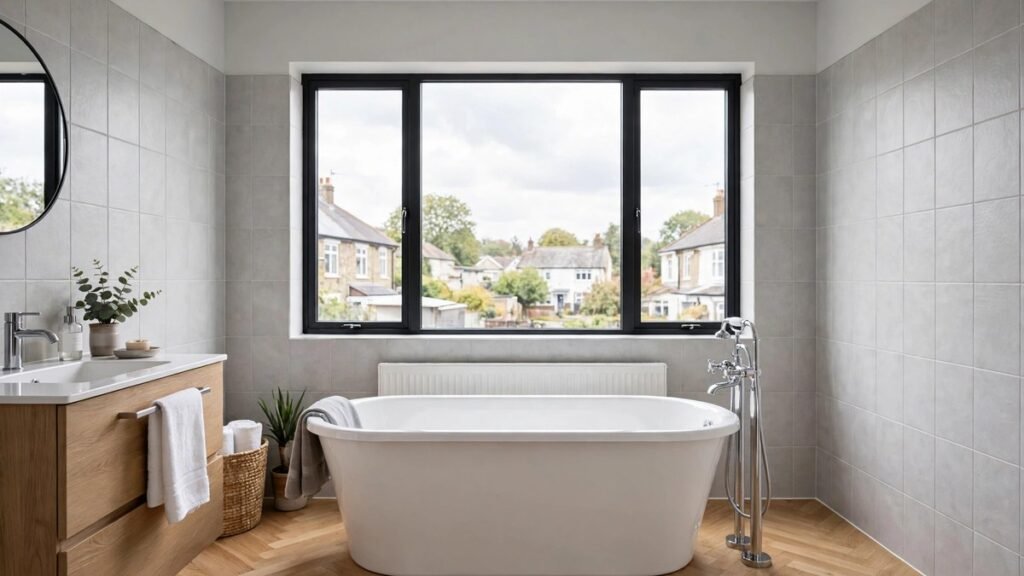
The bath is the biggest single item in most UK bathrooms, and it is the one that shows its age first. A bath that was white twenty years ago can turn yellow, stained and dull. Chips appear around the plug hole, the enamel wears thin where feet stand, and the sealant around the rim turns black no matter how often it is cleaned. A bath like that makes the whole room look tired, even when the tiles and the taps are fine. A bathtub renovation is often the simplest fix.
The short answer is that a bathtub renovation in the UK in 2026 costs £300 to £600 to resurface a standard bath, with an average of around £450, according to Checkatrade’s June 2026 cost guide. Replacing a standard bath costs £450 to £1,000 all in for a like for like swap, and MyJobQuote puts the average supply and fit price, including removal of the old bath, at around £700. A freestanding bath costs £820 to £1,150 or more supplied and fitted, and a walk-in bath costs £2,700 to £4,750 installed, according to MyJobQuote. Which route is right depends on the condition of your bath, the look you want, and how much you want to spend.
In this guide, we explain what a bathtub renovation is, the three routes you can take, what each one costs in the UK, how bath types and materials compare, what labour, taps, panels and screens add, how long the work takes, whether you can do any of it yourself, how to get a fair quote, and whether the money comes back when you sell. Everything is in plain English, with UK prices and UK homes in mind. This guide covers the bath only. If you are planning the whole room, our bathroom renovation cost guide covers the suite, tiling, plumbing and electrics for a full renovation.
What Is a Bathtub Renovation?
A bathtub renovation means fixing up the bath itself, rather than the whole bathroom. The toilet, basin, tiles and floor stay as they are. The work centres on one item: the bath. That makes it a smaller, cheaper and quicker job than a full bathroom renovation, and it is often the best way to lift a tired bathroom without the cost and mess of a full refit.
There are three routes in a bathtub renovation, and they suit different baths and different budgets. Resurfacing keeps the bath you have and gives it a new finish. Replacement takes the old bath out and fits a new one in the same place, or in a new place. Upgrading keeps the bath but changes the parts around it: new taps, a new panel, a new screen, or a shower fitted over the bath. Many jobs mix two of these routes, such as replacing the bath and fitting new taps at the same time.
Resurface, Replace or Upgrade: Three Routes
Resurfacing, also called re-enamelling, means coating the inside of the bath with a new enamel finish. A specialist cleans the bath, repairs chips and cracks, etches the surface so the new coating grips, and sprays on a new finish that is left to cure. The bath stays where it is, no tiles come off, and the job is usually done in a day. It is the cheapest route, and it suits a bath that is sound but looks worn.
Replacement means removing the old bath and fitting a new one. A plumber disconnects the taps and waste, lifts the old bath out, fits the new bath in the same place, connects the taps and waste, seals the rim and fits the panel. It costs more than resurfacing, but you get a brand new bath, and you can change the size, shape or style at the same time.
Upgrading means improving the bath without replacing it. New taps can change the look of a bath for £40 to £300 or more. A new front panel costs £45 to £125. A glass bath screen costs from £100. A shower over the bath turns the bath into a shower as well. Upgrading suits a bath that is in good condition but looks dated because of its fittings.
When a Bathtub Needs Renovating
A bath needs renovating when it looks worn, works badly, or no longer suits the people who use it. Stains that will not shift, yellowed enamel, chips around the plug hole and a rough surface underfoot are the usual signs. A bath that is cracked through, flexes when you stand in it, or leaks from the waste needs more than a new finish, and replacement is usually the right answer.
A bathtub renovation can also be needed because life has changed. A family with small children may want a shower over the bath. An older person may find it hard to climb over a high bath side and need a walk-in bath with a door. A new owner may simply want a bath that matches the rest of the room. In each case, the right route depends on the bath you have and the budget you set.
How Much Does a Bathtub Renovation Cost in the UK?
Bathtub renovation cost in the UK in 2026 depends on the route you choose, the type of bath, and where you live. The ranges below are typical UK prices seen in 2026, drawn from Checkatrade, MyJobQuote, Homebuilding, Fantastic Services and Trade2Base. They are a guide only. Prices vary by region, bath condition and specification, so always get written quotes for your own bath. Always ask whether a quote includes VAT, because some guides quote prices excluding VAT, and VAT at 20 percent adds a large sum to a £700 job.
Most UK guides agree on the middle of the range. Checkatrade puts resurfacing a conventional bath at £300 to £600, with an average of £450. MyJobQuote puts the average price to supply and fit a new bath, including removal of the old one, at around £700. Fantastic Services puts a like for like replacement at £450 to £1,000 all in. Homebuilding puts a budget replacement at £450 to £800 outside London, and a mid-range refresh with new taps, a screen and some pipe changes at £900 to £1,800.
Cost Bands at a Glance
| Bathtub renovation route | Typical UK cost in 2026 | Best for |
|---|---|---|
| Cosmetic refresh, clean and chip repair | £60 to £250 | A bath with small chips or stains |
| Resurface, re-enamel the bath | £300 to £600 | A sound bath that looks worn |
| Like for like replacement, standard bath | £450 to £1,000 | A damaged or dated built-in bath |
| Mid-range refresh, new bath, taps and screen | £900 to £1,800 | A family bathroom that needs a lift |
| Freestanding bath upgrade | £2,000 to £4,500 or more | A statement bath in a larger room |
| Walk-in bath, supplied and fitted | £2,700 to £4,750 | Step-in access for limited mobility |
These bands cover the bath and the fitting for a typical bathtub renovation, but they do not cover every cost. Taps, panels, screens, tiling repairs and waste removal can add hundreds more. The sections below break each part down.
The Average Bathtub Renovation
Take the most common bathtub renovation in the UK: a standard acrylic bath in a family bathroom, replaced like for like in the same place, with a new front panel and the old bath taken away. The bath itself might cost £120 to £350 for a standard acrylic unit, according to Trade2Base. Labour might cost £250 to £500, according to the same guide, or £280 to £390 including removal and disposal, according to MyJobQuote. A new front panel might add £45 to £125, and a new waste kit £20 to £60. That gives a total of around £450 to £1,000, which matches the range Fantastic Services gives for a like for like replacement, and sits close to MyJobQuote’s average of £700 for supply and fit including removal.
London and the South East typically run 15 to 25 percent above the national average, because labour costs more there. Homebuilding puts a budget replacement at £650 to £1,100 in London, against £450 to £800 outside London. Scotland, the North East and parts of Wales often sit at or below the lower end of the ranges.
Bath Resurfacing Cost
Bath resurfacing is the cheapest form of bathtub renovation, and it is the right choice for many UK homes. It costs far less than a replacement, it takes a day, and it leaves the tiles, the floor and the rest of the bathroom untouched. The trade-off is that it is a new finish on an old bath, not a new bath, so it suits a bath that is sound underneath.
Resurfacing is also called re-enamelling, because the new coating is an enamel finish. A specialist starts by cleaning the bath and repairing any chips, cracks and rust spots. The surface is then etched or sanded so the new coating grips, and a primer and a top coat are sprayed on. The finish needs time to cure, usually overnight, before the bath can be used. The result looks like a new bath from a normal distance, with a smooth, glossy surface.
Resurfacing Prices by Bath Type
| Resurfacing job | Typical UK cost in 2026 | Notes |
|---|---|---|
| Conventional bath, boxed in on 2 or 3 sides | £300 to £600, average £450 | Checkatrade, June 2026 |
| Bath resurfacing in London | £425 to £700, average £565 | Checkatrade, June 2026 |
| Cast iron bath resurfacing | £300 to £600, average £450 | Checkatrade, June 2026 |
| Chip repairs only | £80 to £120, average £100 | Checkatrade, June 2026 |
| Chemical cleaning and repolish | £60 to £80, average £70 | Checkatrade, June 2026 |
Checkatrade puts the average bath re-enamelling cost in the UK at £450, and its guide was last updated in June 2026. MyBuilder, quoted by Surface Doctor, puts small professional repairs at roughly £150 to £250 and full resurfacing at roughly £400 to £700. Surface Doctor also notes that Checkatrade’s quote data gives a wider range of £416 to £1,408, with an average of £748, which reflects the dearer jobs in the data, such as rolltop and cast iron baths. For a standard built-in bath, the £300 to £600 range is the figure most homeowners should plan around.
How Long Does a Resurfaced Bath Last?
A properly resurfaced bath typically lasts 7 to 10 years, according to Checkatrade, and sometimes longer when it is looked after well. That is a good return for £300 to £600, and it is one reason resurfacing is popular with landlords and with homeowners who plan to sell within a few years.
How you treat the bath after a bathtub renovation decides how long the finish lasts. Do not use abrasive cleaners or scouring pads on a resurfaced bath, because they wear the coating away. Do not use a bath mat with suction cups, because the cups can pull the finish off. Fix a dripping tap quickly, because a constant drip wears a groove in the coating. Clean the bath with a soft cloth and a mild cleaner, and the finish will stay glossy for years.
Resurfacing is the wrong choice when the bath itself is failing. A bath that is cracked through, flexes underfoot, has a leaking waste, or is the wrong size for the room will not be fixed by a new finish. A bath that has been resurfaced before can usually be resurfaced again, but each new coat adds thickness, and a bath that has had several coats may need replacing instead. Ask the specialist to look at the bath before you agree to a bathtub renovation, and be honest about how old it is and what is wrong with it.
Bath Liners: A Third Way to Keep the Bath
A bath liner is a custom-made acrylic shell that is fitted directly over your existing bath, with a new wall system around it. The old bath stays in place, there is no demolition, and most liners are fitted in a single day. It is a well-known option in the United States, where the Bath Fitter system is widely used, but it is less common in the UK, and only a small number of firms offer it.
Because liners are made to measure for each bath, this kind of bathtub renovation has no standard UK price range to quote. If a liner interests you, get a written quote from a firm that fits them, and ask what the price includes: the liner, the wall panels, the waste and the fitting. For most UK homes, resurfacing or replacement will be simpler to arrange, because more firms offer them and the prices are easier to compare.
Bath Replacement Cost
Replacing the bath costs more than resurfacing, but a replacement bathtub renovation gives you a brand new bath, and you can change the size, shape, style and material at the same time. The cost depends on the type of bath and the material it is made from. A standard acrylic bath is the cheapest option. A freestanding bath, a whirlpool bath, a cast iron bath or a stone bath costs far more, both to buy and to fit.
The figures below are supply and fit prices from MyJobQuote, updated in September 2026, and they assume the new bath fits the same way as the old one, with no pipework moved. They include removal of the old bath. Supply only prices are lower, and they are given in the material table that follows.
Cost by Bath Type
| Bath type, supplied and fitted | Typical UK cost in 2026 |
|---|---|
| Standard acrylic bath, against two walls | £500 to £800 |
| Standard steel bath, against two walls | £620 to £1,200 |
| Acrylic corner bath | £490 to £820 |
| Acrylic shower over bath | £750 to £1,000 |
| Acrylic whirlpool bath | £1,050 to £1,350 |
| Acrylic double ended bath | £500 to £720 |
| Steel double ended bath | £670 to £1,000 |
| Freestanding or rolltop bath | £820 to £1,150 |
| Steel freestanding bath | £1,250 to £1,450 |
| Stone freestanding bath | £5,800 to £8,300 |
| Cast iron freestanding bath | £1,700 to £3,000 |
MyJobQuote puts the average cost to install a new bath at around £700, and that average covers standard steel and acrylic baths, double ended baths, corner baths and shower over baths. At the top end, natural stone and cast iron baths cost £1,800 to £11,500 to buy and fit, because the bath itself is dear and the fitting needs more time and more hands.
Checkatrade gives lower supply and fit figures for the bath alone, at £200 to £250 or more for an acrylic bath and £250 to £450 or more for a steel bath, with an average labour cost of around £300. The two guides measure the job in different ways, so the ranges overlap rather than match. The safe way to read them together is that a standard bath replacement lands between £450 and £1,000 all in, which is the range Fantastic Services gives for a like for like swap.
Cost by Bath Material
| Bath material, supply only | Typical UK cost in 2026 | What to know |
|---|---|---|
| Acrylic, budget 3 to 4 mm | £80 to £150 | Light, but flexes and loses heat fast |
| Acrylic, mid-range 5 mm | £150 to £400 | The UK standard, good with proper support |
| Acrylic, premium 8 mm or more | £400 to £800 | Solid feel, keeps heat, lasts 15 to 20 years |
| Enamelled steel | £200 to £1,500 | Strong, holds heat well, heavier to fit |
| Cast iron | £1,500 to £3,500 or more | Lasts 50 to 100 years, very heavy |
| Stone resin | £1,000 to £4,000 | Luxury look, very heavy, keeps heat well |
These material prices for a bathtub renovation come from Builders Squad, and they are supply only, before fitting. A budget acrylic bath uses 3 to 4 mm acrylic, which flexes noticeably underfoot and loses heat quickly. The UK market standard is 5 mm acrylic, which is adequate with proper reinforcement. Premium acrylic uses 8 mm or more, and some brands add a reinforcement layer that carries a warranty of up to 30 years. A mid-range acrylic bath lasts 10 to 15 years with proper care, and a premium one lasts 15 to 20 years.
Cast iron is the longest lasting bath material, at 50 to 100 years or more, and it holds heat better than any other material. The catch is the weight: a cast iron bath weighs 80 to 150 kg empty, against 15 to 35 kg for an acrylic bath, so it needs two or three people to move, and the floor may need strengthening, which Builders Squad puts at £200 to £500. Stone resin is also heavy, at 45 to 120 kg empty, and it needs the same care with the floor. If you are choosing a heavy bath, ask the fitter to check the floor before you buy it.
Bath Sizes
Most UK baths are 1700 mm long and 700 mm wide, which is the standard size for a family bathroom. Small baths run 1500 to 1600 mm long and suit a small bathroom or an en-suite. Large baths run 1800 mm long and suit a bigger room. A double ended bath has the taps in the middle and the waste at one end, so two people can bathe facing each other, and it usually needs a longer room. Measure the space before you buy, and check the door and the stairs too, because a bath that fits the bathroom may not fit through the hallway.
Fitting Labour: What a Plumber Charges
Labour is the part of a bathtub renovation that varies most, because it depends on the bath, the pipework and where you live. A straight swap in the same place is quick. A freestanding bath, a steel bath or a job where the waste and taps move takes far longer, and the labour bill rises with it.
| Fitting job | Typical labour cost in 2026 |
|---|---|
| Like for like acrylic swap | £250 to £500 |
| Standard bath removal and installation, including disposal | £280 to £390 |
| Average labour, Checkatrade | Around £300 |
| Labour outside London, Fantastic Services | £300 to £600 |
| Labour in London, Fantastic Services | £400 to £800 |
| Steel, freestanding or pipework move job | £500 to £900 or more |
| Moving pipework, per hour | Around £75 |
| Old bath removal only | £50 to £100 |
These figures come from Trade2Base, MyJobQuote, Checkatrade and Fantastic Services, and they are all for 2026. Trade2Base puts a clean like for like swap at £250 to £500 in labour, and a steel, freestanding or pipework move job at £500 to £900 or more. MyJobQuote puts removal and installation of a standard bath at £280 to £390 for labour, including removal and disposal of the old bath. Checkatrade puts the average labour cost at around £300, with a fitter’s hourly rate of £30 to £40. Homebuilding puts labour for a like for like swap at £200 to £400 outside London and £350 to £600 in London.
A straight swap in a bathtub renovation usually takes 2 to 4 hours, according to both MyJobQuote and Checkatrade. That covers disconnecting the old bath, lifting it out, fitting the new bath, connecting the taps and waste, sealing the rim and fitting the panel. A freestanding bath takes longer, because the waste usually runs through the floor in a new position and the filler pipework needs to be finished neatly. A steel bath takes longer too, because it is heavier and less forgiving when it is levelled. If the pipework has to move, MyJobQuote puts the extra cost at around £75 an hour, which is the plumber’s hourly rate.
Taps, Waste, Panels and the Extras
The bath itself is only part of a bathtub renovation. Taps, the waste and overflow, the panel and the sealant are small items, but they add up, and they are the parts most people forget when they budget. A new bath with old taps looks half finished, and a new bath fitted with a worn waste will leak sooner or later.
| Item | Typical UK cost in 2026 |
|---|---|
| Bath taps or bath filler | £40 to £300 or more |
| Floor-standing taps for a freestanding bath | £300 to £1,500 |
| Waste, trap and overflow kit | £20 to £60 |
| Front bath panel | £45 to £125 |
| End bath panel | £25 to £60 |
| Bath panels, Checkatrade | From £50 |
| Tiled bath panel, Checkatrade | From £150 |
| Shower taps, Checkatrade | From £100 |
| Splashback tiling, per square metre | £40 to £70 plus materials |
Bath taps and fillers run from £40 for a budget mixer to £300 or more for a premium or floor-standing filler, according to Trade2Base. Floor-standing taps, which are plumbed through the floor and let a freestanding bath sit anywhere in the room, cost £300 to £1,500 for the taps alone, according to Builders Squad. A bath waste, trap and overflow kit is typically £20 to £60, and it is often forgotten by customers, which is why Trade2Base lists it separately.
Choose the taps to suit the bath. A built-in bath usually takes deck-mounted taps, which sit on the rim of the bath, or wall-mounted taps, which sit on the wall above it. A freestanding bath usually takes floor-standing taps, or wall-mounted taps if the bath sits near a wall. A thermostatic mixer is worth the extra money, because it keeps the water at a safe temperature even when someone runs a tap elsewhere in the house, and it stops the water from scalding.
The panel matters more than it looks. A front panel covers the side of a built-in bath, and an end panel covers the short end where the bath meets the wall. A plain plastic panel costs from £50, and a tiled panel costs from £150, according to Checkatrade. A tiled panel looks better and lasts longer, but it costs more to fit, because the tiles have to be cut and grouted. If the old panel is in good condition, it can sometimes be kept, but a new bath with an old panel rarely looks right.
Shower Over Bath and Bath Screens
A shower over the bath is the most common upgrade in a UK family bathroom. It turns the bath into a shower as well, which suits a household where some people bathe and some shower. MyJobQuote puts an acrylic shower over bath at £750 to £1,000 supplied and fitted, and at £490 to £660 supply only. A P-shaped or L-shaped shower bath, which is wider at the shower end, costs more than a straight bath, and it needs a shaped screen to match.
A bath screen keeps the water in the bath while you shower. A fixed glass panel is the simplest choice, and a folding screen suits a small bathroom where a fixed panel would get in the way. Checkatrade puts a shower screen or curtain at £100 or more. A glass screen costs more than a curtain, but it looks better, lasts longer and is easier to clean. A curtain is cheap and easy to replace, but it needs washing often and it can let water through at the edges.
Adding a shower over the bath as part of a bathtub renovation may need more than a screen. The shower mixer should be thermostatic, so the water stays at a safe temperature. The water pressure should be checked, because a shower over a bath needs enough pressure to work well, and a home with low pressure may need a pump. The wall above the bath should be tiled or panelled, because paint and wallpaper will not survive the steam. Splashback tiling costs £40 to £70 per square metre plus materials, according to Trade2Base. If the wall is already tiled, the new bath should sit tight to the tiles, with a fresh bead of sealant along the rim.
Walk-in Baths: Costs and Who They Suit
A walk-in bath has a door in the side, so the user steps in rather than climbing over the bath rim, and a built-in seat to sit on while the bath fills. It suits people who find it hard to lift their legs over a standard bath, or who feel unsteady standing in a shower. It is a bigger bathtub renovation than a standard bath replacement, and it costs far more, because the bath itself is dear and the fitting takes days rather than hours.
| Walk-in bath, supplied and fitted | Typical UK cost in 2026 |
|---|---|
| Compact or basic soak bath, about 1060 by 660 mm | £2,700 to £3,000 |
| Standard full-length bath, about 1700 by 750 mm | £3,300 to £3,700 |
| Bath and shower combo, about 1675 by 850 mm | £4,250 to £4,750 |
| Luxury bath with chromotherapy lights and motorised seat | £9,950 to £10,500 |
| Average walk-in bath, installed | Around £3,000 |
These figures come from MyJobQuote, updated in October 2026, and they include professional installation. Typical walk-in bath costs range from around £2,700 to £4,750, depending on the type, size, materials and features. Labour alone runs at around £500 for a simple installation of 1 to 2 days, around £1,000 for an average installation of 1 to 3 days, and up to £1,500 for a complex installation of up to 5 days. The whole job usually takes 2 to 5 days.
Specialist mobility firms charge more. EA Mobility puts a professionally installed walk-in bath at £6,000 to £12,000 or more in 2026, with a standard compact or full-length bath at £6,000 to £7,500 or more, a deep soak model at £7,500 to £9,000 or more, and a bath with hydrotherapy or a powered lift at £9,000 to £12,000 or more. The gap exists because specialist firms survey the home, fit the bath to the person using it, and include a longer warranty and aftercare. Their prices include the bath, waste, taps, plumbing, installation and removal of the old bath, before VAT relief.
VAT relief can apply to walk-in baths. EA Mobility notes that most of its customers pay 0 percent VAT, because VAT relief can apply when a walk-in bath is supplied to a disabled person for their own use. Ask the supplier whether relief applies to you before you agree the price, and get the VAT position in writing. A Disabled Facilities Grant from the local council can also help with the cost in some cases, so it is worth asking the council before you spend your own money.
A walk-in bath is not the right bathtub renovation for everyone. It takes time to fill, and the user has to sit in the bath while it fills and while it drains, which can feel cold. It uses more water than a standard bath when it is filled to the seat, and less when it is used as a soak. It also suits a household where the bath is mainly for one person, because a walk-in bath is a specialist item and it may not suit a family bathroom where children bathe. Think about who will use it, and how, before you choose one.
What Drives the Price Up or Down?
Several things move the price of a bathtub renovation, and knowing them before you ask for quotes helps you control the budget. The bath itself is the biggest factor. A standard acrylic bath is the cheapest option, and a freestanding, cast iron or stone bath can cost ten times as much. The material matters as much as the type: a premium acrylic bath costs more than a budget one, and a cast iron bath costs more than either.
Moving the bath is the dearest change you can make. Keeping the bath in the same place, with the taps and waste where they are, keeps the job to a straight swap. Moving the bath means moving the waste and the water supply, and MyJobQuote puts that at around £75 an hour. Moving the waste through a solid floor costs more than moving it through a timber floor, because the floor has to be cut and made good.
Where you live matters too. London and the South East run 15 to 25 percent above the national average, because labour costs more there. Scotland, the North East and parts of Wales often sit at or below the lower end of the ranges. The condition of the room matters as well. A bathroom with rotten floorboards, a leaking waste or damaged tiles behind the old bath will cost more, because each problem has to be fixed before the new bath goes in.
The taps and fittings you choose can add hundreds of pounds. A budget mixer costs £40, and a floor-standing filler costs £300 to £1,500. A plain panel costs from £50, and a tiled panel costs from £150. A glass screen costs from £100, and a shower over the bath adds the cost of the mixer and the tiling. These are choices, not surprises, so decide them before you ask for quotes, and ask each fitter to price the same set of fittings.
Hidden Costs People Forget
The quote is rarely the whole bill. These are the costs people forget most often when they plan a bathtub renovation, and they can add hundreds of pounds to the job.
VAT is the first one. Some quotes exclude VAT. At 20 percent, VAT adds £140 to a £700 job, and £600 to a £3,000 walk-in bath. Always ask whether a quote includes VAT, and get it in writing.
Removal and disposal is the second. Taking the old bath out and getting rid of it costs £50 to £100, according to Builders Squad, £75 or more, according to Checkatrade, and £100 to £250, according to Homebuilding, depending on the size, weight and access. A cast iron bath costs more to remove than an acrylic one, because it is far heavier. Ask whether disposal is in the quote, or whether you need to arrange it yourself.
Floor strengthening is the third, and it only applies to heavy baths. A cast iron or stone bath can weigh 80 to 150 kg empty, and the floor may need strengthening to carry it, which Builders Squad puts at £200 to £500. A standard acrylic bath does not need this, because it weighs 15 to 35 kg empty.
Tiling repairs are the fourth. Taking an old bath out often damages the tiles around the rim, and the new bath may not sit in exactly the same place. Splashback tiling costs £40 to £70 per square metre plus materials, according to Trade2Base. If the tiles are old and no longer made, a small repair can turn into retiling a whole wall.
Making good is the fifth. The wall behind the old bath, the floor under it, and the paint around it may all need attention once the old bath is out. Minor plumbing repairs cost £80 to £200, and replacing sections of pipework costs £500 to £1,500, according to Homebuilding. Water damage found under the old bath is the most common surprise, and it has to be fixed before the new bath goes in, because a new bath fitted over a damp floor will fail.
How Long Does a Bathtub Renovation Take?
A bathtub renovation is a quick job compared with a full bathroom renovation, and that is one of its main attractions. A straight swap of a standard bath usually takes 2 to 4 hours, according to both MyJobQuote and Checkatrade. That covers disconnecting the old bath, lifting it out, fitting the new bath, connecting the taps and waste, sealing the rim and fitting the panel. You will be without a bath for part of a day, and you can usually use it the same evening, once the sealant has set.
Resurfacing takes a day on site, and the bath then needs time to cure, usually overnight, before it can be used. The specialist will tell you when it is safe to run water in it, and it is worth following that advice, because using the bath too soon can spoil the finish. A chip repair is quicker, often done in an hour or two, and the bath can usually be used the same day.
A freestanding bath takes longer, often a full day or more, because the waste runs through the floor in a new position and the filler pipework needs to be finished neatly. A whirlpool bath takes longer still, because it needs an electrical connection as well as plumbing, and the electrics must be done by a qualified electrician. A walk-in bath takes 2 to 5 days, according to MyJobQuote, because the bath is bigger, the door seal has to be fitted with care, and the room often needs making good around it.
Delays usually come from the same places: a waste that will not come free, a floor that needs strengthening, tiles that break when the old bath comes out, or a bath that does not fit through the door. Ask the fitter for a written schedule before the work starts, and ask what happens if a problem is found once the old bath is out.
Can You Renovate a Bathtub Yourself?
Some parts of a bathtub renovation suit a keen DIYer, and some do not. Re-sealing the bath, repairing a small chip, painting a bath panel and cleaning and repolishing the enamel are all within reach for a careful homeowner. Replacing the bath, moving pipework, fitting a freestanding bath and wiring a whirlpool bath are jobs for a plumber or an electrician, and mistakes with water cause leaks, damp and mould that cost far more to fix than the saving.
What DIY Can Cover
Re-sealing is the simplest DIY job, and it makes the biggest difference for the least money. Old sealant turns black and lets water through, and a fresh bead of silicone around the rim makes the bath look new and keeps the water where it belongs. A tube of silicone costs a few pounds, and the job takes an hour. Cut the old sealant out, clean the joint, let it dry, and apply a smooth new bead.
Chip repair kits are sold by most bathroom retailers, and they can fix a small chip in an acrylic or enamel bath. The kit includes a filler and a colour match, and the repair takes an hour or two. It will not look perfect from close up, but it stops the chip from getting worse, and it is far cheaper than resurfacing. A chemical clean and repolish, which Checkatrade puts at £60 to £80 when done by a specialist, can also be done at home with a suitable cleaner and a soft cloth.
Painting a bath panel is another easy job. A panel that is scuffed or yellowed can be sanded lightly, primed and painted with a suitable paint, and it will look new. Replacing the taps is possible for a confident DIYer, but it needs the water turned off, the old taps removed without damaging the bath, and the new taps sealed properly. If you are not sure, hire a plumber, because a leaking tap wastes water and damages the floor.
What to Leave to a Plumber
Removing and fitting a bath is heavy work, and it needs two people for anything larger than a standard acrylic bath. A cast iron bath weighs 80 to 150 kg, and it cannot be lifted safely by one person. The waste and overflow have to be fitted so they seal properly, and a waste that leaks will rot the floor under the bath before you notice it. The bath has to be levelled, supported and sealed to the wall, or it will flex, crack the sealant and let water through.
Moving the bath, the taps or the waste is plumber’s work, because it means cutting into pipework and making new joints that must not leak. Fitting a freestanding bath is plumber’s work too, because the waste runs through the floor and the filler pipework is on show, so it has to be fitted neatly. A whirlpool bath needs an electrician as well as a plumber, because the pump and the jets need a safe electrical supply, and electrical work in a bathroom must meet the building rules.
Getting Quotes and Choosing a Fitter
Get three written quotes for your bathtub renovation from local plumbers or bathroom fitters, and make sure each one covers the same work. A quote should list the bath, the taps, the waste kit, the panel, the labour, the removal and disposal of the old bath, and the sealant. It should say whether VAT is included. A quote that is far below the others usually leaves something out, such as the panel, the waste kit or the disposal.
Check that the fitter is insured, and ask whether the work comes with a guarantee. A good fitter will give a written schedule, a written quote and a clear payment plan. Never pay the full amount up front. A deposit to order the bath is normal, with the rest paid when the work is finished and you are happy with it. Hold back the final payment until the bath is fitted, sealed and tested, and the old bath has been taken away.
Ask each fitter the same questions: how long will the work take, who does the electrics if a whirlpool bath is involved, what happens if you find a problem under the old bath, and what is not included in the quote. The answers tell you more than the price does. A fitter who explains the work clearly and warns you about the risks is usually the safer choice. Ask for the names of two or three past customers you can call, and call them.
Mistakes to Avoid and How to Save Money
The most expensive mistakes in a bathtub renovation are made before the work starts. Here are the ones to avoid, and the ways to save money without cutting quality.
Keep the layout. Moving the bath, the taps or the waste is the dearest change you can make, and it can add hundreds of pounds in labour. Keeping the bath in the same place can save a day of work, and it shortens the job to a few hours.
Resurface instead of replacing when the bath is sound. A bath that is stained or chipped but solid underneath can be resurfaced for £300 to £600, against £450 to £1,000 for a replacement. That saves money, time and mess, and the finish lasts 7 to 10 years.
Choose a mid-range acrylic bath. A budget bath with 3 to 4 mm acrylic flexes underfoot and loses heat quickly, and it will need replacing sooner. A mid-range bath with 5 mm acrylic costs £150 to £400, feels solid, keeps its heat and lasts 10 to 15 years. The difference in price is small, and the difference in use is large.
Do not buy the cheapest waste kit. A waste, trap and overflow kit costs £20 to £60, and it is the part that stops the bath from leaking. A cheap kit that does not seal properly will cost far more to fix than the saving. Buy a good kit, and make sure the fitter tests it before the panel goes on.
Do not skip the sealant. A bath that is not sealed properly to the wall lets water run down behind it, and the damage shows up months later as damp, mould and a rotten floor. A tube of silicone costs a few pounds, and a neat bead along the rim is the cheapest insurance in the whole job.
Buy the bath yourself in a sale. Retailers often have sales, and buying the bath, taps and screen yourself can save 10 to 20 percent. Agree with the fitter first what you will supply and what they will supply, so nothing is missed. Check the bath fits through the door and up the stairs before it is delivered, because a bath that will not fit in the house is a common and costly mistake.
Get everything in writing. A verbal quote is not a quote. Get the price, the schedule, the payment plan and the guarantee in writing before the work starts.
Does a Bathtub Renovation Add Value?
A bathtub renovation adds value in two ways: it makes the bathroom look better, and it makes the house easier to sell. Buyers notice a stained or chipped bath quickly, and a fresh bath is one less job for them to plan. A bathroom that looks cared for gives a buyer confidence about the rest of the house, and that confidence matters when they decide what to offer.
The money rarely comes back in full on a bathtub renovation alone. A full bathroom renovation returns around 60 to 70 percent of the money spent when you sell, according to Kent Plasterers, and a bath is only one part of that room. A mid-range bath usually gives the best return, because the extra money spent on a designer bath or a stone bath rarely comes back in the sale price. A walk-in bath is a special case: it suits a buyer who needs step-in access, but it may put off a buyer who wants a standard family bathroom, so it can narrow the market for the house.
The value of a bathtub renovation is mostly in daily life, which does not show in the sale price but matters just as much. A bath that is clean, sound and easy to use is worth having, whether you sell the house or stay in it. Resurfacing is the cheapest way to lift a bathroom before a sale, at £300 to £600, and a new bath is the right choice when you plan to stay and use it every day for years.
Quick Takeaways
- Resurfacing a standard bath costs £300 to £600 in the UK, with an average of around £450, and the finish lasts 7 to 10 years.
- Replacing a standard bath costs £450 to £1,000 all in for a like for like swap, and MyJobQuote puts the average at around £700 including removal.
- A freestanding bath costs £820 to £1,150 or more supplied and fitted, and a stone or cast iron bath costs far more.
- Labour for a straight swap runs £250 to £500, and the job usually takes 2 to 4 hours.
- Taps cost £40 to £300 or more, a waste kit costs £20 to £60, and a front panel costs £45 to £125.
- A walk-in bath costs £2,700 to £4,750 installed, and specialist mobility firms charge £6,000 to £12,000 or more.
- Keep the bath in the same place, get three written quotes, and always ask whether VAT is included.
FAQs
How much does a bathtub renovation cost in the UK in 2026?
A bathtub renovation in the UK in 2026 costs £300 to £600 to resurface a standard bath, with an average of around £450, according to Checkatrade’s June 2026 cost guide. Replacing a standard bath costs £450 to £1,000 all in for a like for like swap, and MyJobQuote puts the average at around £700 including removal of the old bath. A freestanding bath costs £820 to £1,150 or more supplied and fitted, and a walk-in bath costs £2,700 to £4,750 installed.
Is it cheaper to resurface or replace a bath?
Resurfacing is cheaper. Resurfacing a standard bath costs £300 to £600, with an average of £450, while replacing the same bath costs £450 to £1,000 all in. Resurfacing suits a bath that is sound but looks worn, and the finish lasts 7 to 10 years. Replacement is the right choice when the bath is cracked through, flexes underfoot, leaks from the waste, or is the wrong size or shape for the room.
How long does a resurfaced bath last?
A properly resurfaced bath typically lasts 7 to 10 years, according to Checkatrade, and sometimes longer when it is looked after well. Do not use abrasive cleaners or scouring pads on it, do not use a bath mat with suction cups, and fix a dripping tap quickly, because a constant drip wears a groove in the coating. Clean it with a soft cloth and a mild cleaner, and the finish will stay glossy for years.
How long does it take to replace a bath?
A straight swap of a standard bath usually takes 2 to 4 hours, according to both MyJobQuote and Checkatrade. That covers disconnecting the old bath, lifting it out, fitting the new bath, connecting the taps and waste, sealing the rim and fitting the panel. A freestanding bath takes a full day or more, and a walk-in bath takes 2 to 5 days. Resurfacing takes a day on site, and the bath then needs overnight to cure before it can be used.
Can I renovate a bath myself?
You can do the small jobs yourself: re-sealing the bath, repairing a small chip with a kit, painting a bath panel, and cleaning and repolishing the enamel. Leave the bigger jobs to a plumber: removing and fitting a bath, moving pipework, fitting a freestanding bath, and wiring a whirlpool bath. A waste that leaks will rot the floor under the bath before you notice it, so the fitting has to be done properly.
Conclusion
A bathtub renovation in the UK in 2026 costs most homes between £300 and £600 to resurface a standard bath, or £450 to £1,000 to replace it like for like. Resurfacing is the cheapest route, and it suits a bath that is sound but looks worn, with a finish that lasts 7 to 10 years. Replacement costs more, but you get a brand new bath, and you can change the size, shape and material at the same time. A freestanding bath costs £820 to £1,150 or more supplied and fitted, and a walk-in bath costs £2,700 to £4,750 installed. Labour for a straight swap runs £250 to £500, and the job usually takes 2 to 4 hours.
The best way to keep the cost of a bathtub renovation under control is to decide the route first. If the bath is sound, resurface it and spend the saving on new taps and a new panel. If the bath is failing, replace it like for like and keep the taps and waste where they are. Get three written quotes for the same work, ask whether VAT is included, and check that removal and disposal are in the price. A bath that is planned well, fitted well and sealed well will last for years, and it will make the bathroom easier to use and easier to sell. Start with the condition of your bath, get the quotes, and take the time to choose a fitter you trust.