

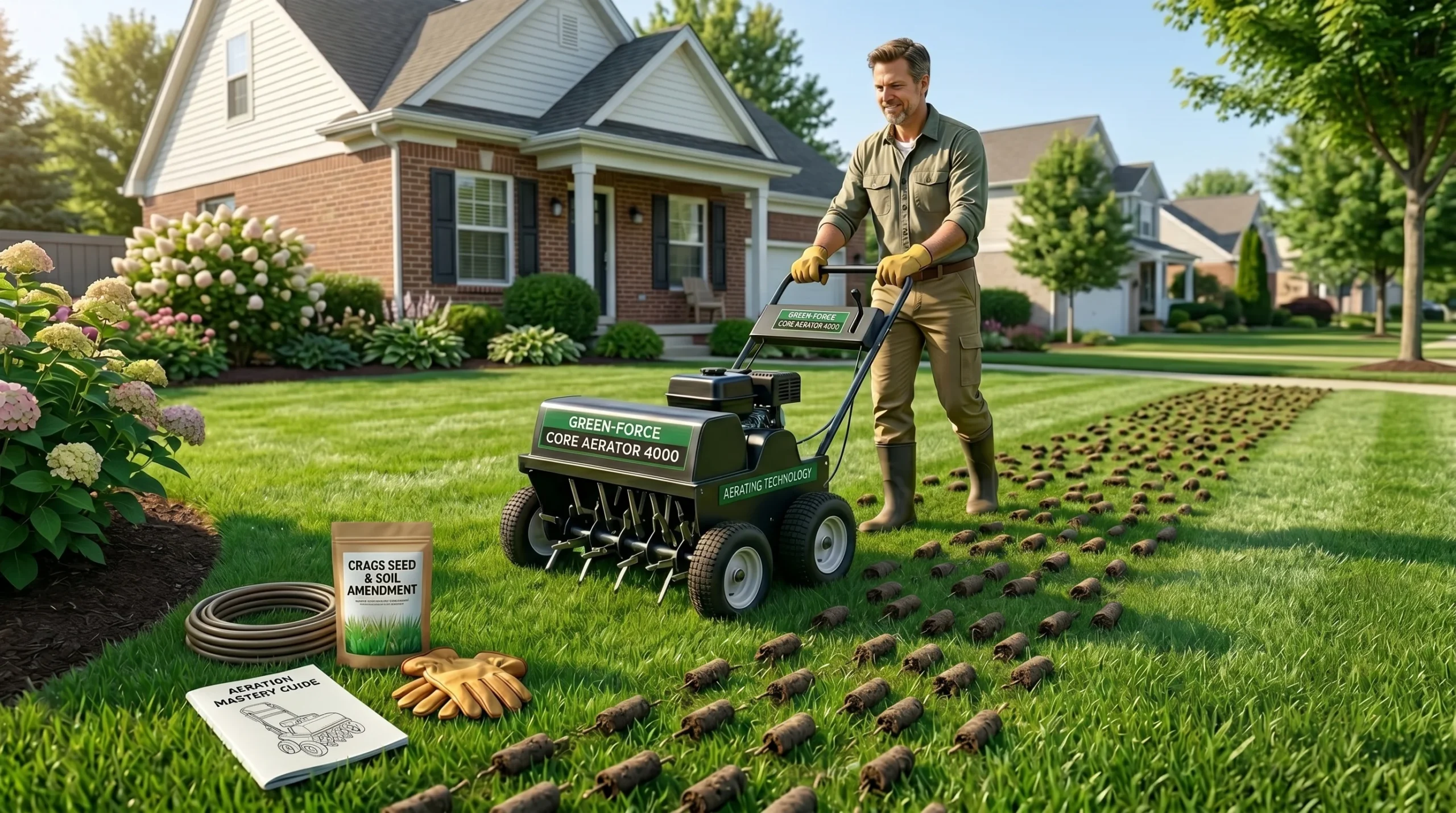
A beautiful lawn is not just about watering and mowing. Beneath the surface, soil health plays a major role in how grass grows and survives. When soil becomes too compact, air, water, and nutrients cannot reach the roots properly. This slowly weakens the lawn and makes it look dull, patchy, and dry.
If you have ever wondered how to aerate yard spaces effectively, you are already on the right path to improving your lawn health. Lawn aeration is a simple but powerful technique that fixes compacted soil and brings life back to struggling grass.
This guide explains everything in a practical way so even beginners can follow it without confusion.
What Is Lawn Aeration and Why It Matters
Lawn aeration is the process of making small openings in the soil to improve the flow of air, water, and nutrients. Over time, soil particles get pressed together due to walking, rain, or heavy use. This condition is called soil compaction.
When soil is compacted:
- Roots cannot grow deeply
- Water stays on the surface
- Fertilizer becomes less effective
- Grass starts to thin out
Aeration solves these problems by loosening the soil and improving underground circulation.
How Aeration Supports Healthy Growth
Healthy grass depends on strong roots. Aeration helps roots expand deeper into the ground, making the lawn more resistant to drought, heat, and disease.
It also improves the efficiency of watering and fertilizing, meaning your lawn care routine starts giving better results.
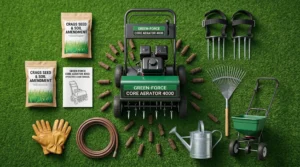
Why Aerating Your Yard Is Important
Many homeowners ignore aeration until the lawn becomes visibly weak. However, regular aeration prevents problems before they start.
Improves Soil Structure
Aeration breaks hard soil layers and creates space for root expansion.
Boosts Oxygen Flow
Grass roots need oxygen just like any living organism. Aeration improves air circulation underground.
Enhances Water Absorption
Instead of running off, water reaches deeper into the soil where roots can use it.
Increases Fertilizer Efficiency
Nutrients reach the root zone more effectively after aeration.
Signs Your Lawn Needs Aeration
Before learning how to aerate yard, it is important to recognize when it is needed.
Hard or Compact Soil
If the ground feels solid and difficult to dig, compaction is present.
Water Pooling After Rain
Standing water indicates poor drainage.
Thin or Uneven Grass Growth
Weak grass often struggles due to limited root access.
Excess Thatch Layer
A thick layer of dead grass blocks nutrients and water.
High Traffic Areas
Lawns used for walking, playing, or pets compact faster.
Weak Fertilizer Response
If fertilizing does not improve your lawn, soil may be restricting nutrient flow.
Best Time to Aerate a Yard
Timing is critical for successful aeration.
Cool Season Grass
Best time is early spring or early fall when grass is actively growing.
Warm Season Grass
Late spring or early summer is ideal.
Times to Avoid
Avoid aeration during extreme heat or drought conditions because grass recovery will be slower.
Tools You Can Use for Aeration
Different tools give different results depending on lawn size and soil condition.
Core Aerator
Removes small plugs of soil and is the most effective method.
Spike Aerator
Creates holes by pushing soil aside but is less effective for heavy compaction.
Manual Aerator
Suitable for small yards or targeted areas.
Aerator Shoes: Budget-friendly but not very powerful.
Tow Behind Aerator
Ideal for large lawns and attached to riding equipment.
Core Aeration vs Spike Aeration
Core aeration is widely recommended because it physically removes soil plugs, allowing better airflow and long-term improvement.
Spike aeration only pushes soil aside, which can sometimes increase compaction in certain soil types.
For most homeowners, core aeration is the better choice when thinking about how to aerate yard areas properly.
Step by Step Guide: How to Aerate a Yard
Now let’s simply go through the practical process.
Step 1: Mow the Grass
Cut your lawn slightly shorter than normal to improve aerator access.
Step 2: Water the Soil
Moist soil works better because it allows easier penetration. Water your lawn a day before aeration.
Step 3: Mark Hidden Areas
Identify sprinkler heads, pipes, or cables to avoid damage.
Step 4: Start Aerating the Lawn
Move across the yard in straight lines. Make overlapping passes for full coverage.
Step 5: Focus on Problem Areas
Spend extra time on compacted or high-traffic zones.
Step 6: Leave Soil Plugs
Do not remove soil plugs. They naturally break down and improve soil quality.
Step 7: Final Inspection
Check if holes are evenly spread across the lawn.
This process clearly explains how to aerate yard areas in a practical and beginner-friendly way.
What to Do After Aerating
Post-aeration care is extremely important for best results.
Overseeding
Seeds fall into holes and grow faster due to better soil contact.
Fertilizing
Nutrients reach deeper into the soil and boost grass recovery.
Watering
Keep soil moist for several days after aeration.
Top Dressing
Adding compost improves soil quality and long-term fertility.
Common Mistakes to Avoid
Many people reduce aeration effectiveness by making simple mistakes.
Aerating Dry Soil
Dry soil is hard and reduces aerator efficiency.
Wrong Timing
Aerating during dormancy slows down recovery.
Using Wrong Tools
Choosing improper equipment leads to poor results.
Removing Soil Plugs
This removes natural nutrients from the soil surface.
DIY vs Professional Aeration
DIY Aeration
More affordable and suitable for small to medium lawns.
Professional Service
Better for large lawns or heavily compacted soil.
Which Is Better
It depends on your budget, lawn size, and time availability.
How Often Should You Aerate Your Lawn
Frequency depends on soil type and usage.
Clay Soil
Once a year is recommended.
Sandy Soil
Every 2 to 3 years is usually enough.
High Traffic Lawns
May require more frequent aeration.
Lawn Aeration Checklist
Before Aeration
- Mow lawn
- Water soil
- Inspect ground condition
During Aeration
- Overlap passes
- Cover all areas
- Focus on compacted zones
After Aeration
- Overseed
- Fertilize
- Water regularly
Frequently Asked Questions
Can I aerate my lawn without machines
Yes, manual tools can be used for small areas.
Should I water before aerating
Yes, slightly moist soil gives better results.
How long does recovery take
Usually 2 to 4 weeks depending on grass type.
Can I fertilize after aeration
Yes, it improves nutrient absorption.
What happens if I never aerate
Soil becomes harder, grass weakens, and lawn health declines over time.
Final Thoughts
Understanding how to aerate yard areas properly can completely transform your lawn’s health. It improves soil structure, boosts root growth, and makes your entire lawn care routine more effective.
With the right timing, tools, and aftercare, aeration can turn even a dull lawn into a thick and healthy green space that lasts all season.




Leave a Reply