

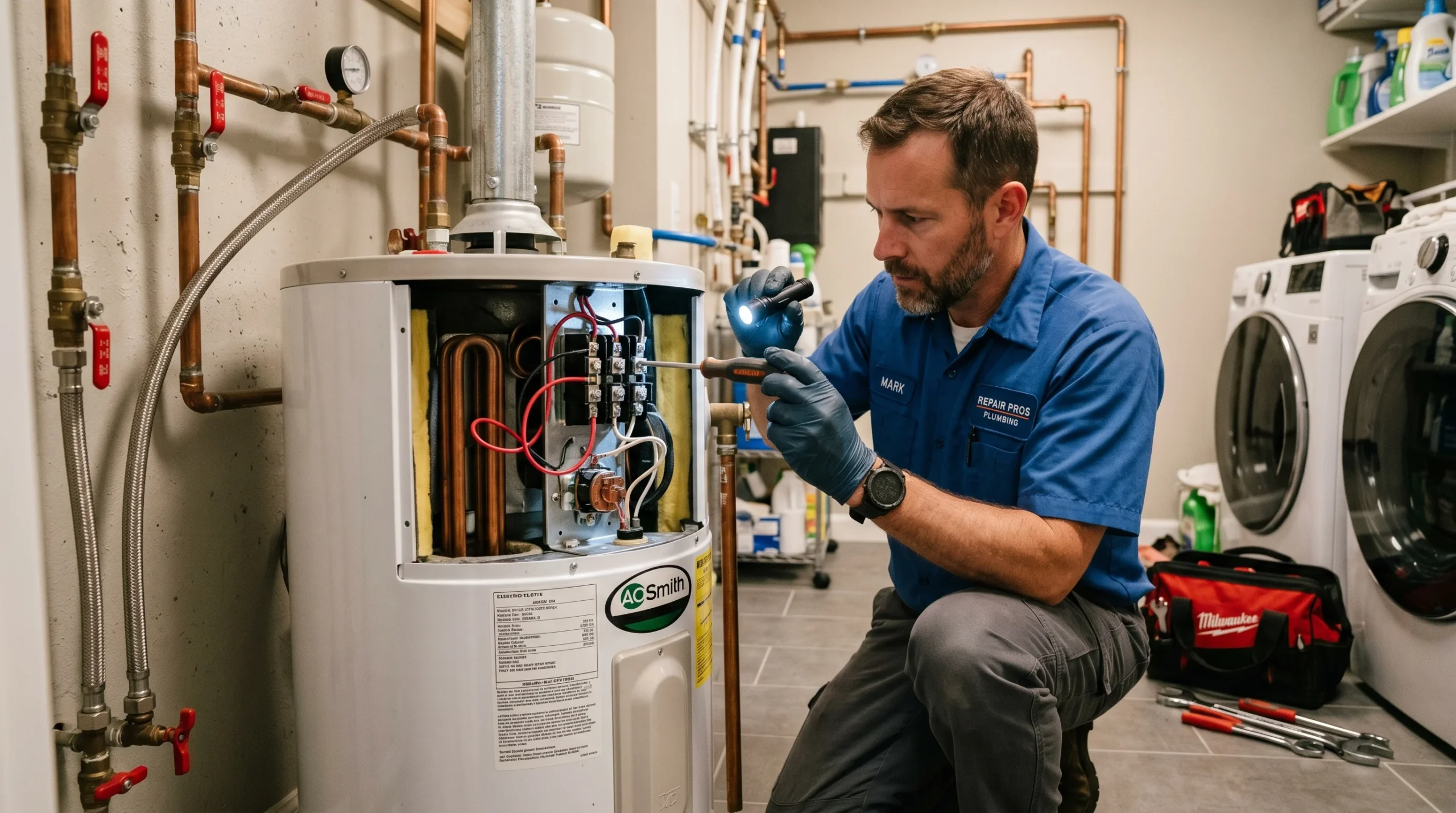
Hot water is something every home depends on daily, from bathing to cooking and cleaning. When it stops working, it quickly becomes an urgent issue. Most homeowners search online when they suddenly face no hot water or inconsistent heating.
This is where understanding water heater repair volume becomes important, because search behavior shows that most users are looking for fast solutions, repair guidance, and cost information at the same time.
In most cases, people do not wait long before taking action. A drop in hot water performance usually means something inside the system is already failing, such as heating elements, thermostats, or sediment buildup inside the tank.
How a Water Heater Works
A water heater system operates by storing or instantly heating water using either gas or electricity. The main components include the tank, thermostat, heating element or burner, and safety valves.
Gas water heaters use a burner at the bottom of the tank, while electric models use heating elements inside the tank. Tankless systems heat water only when needed.
Understanding this system helps explain why water heater repair volume searches often include problems like no hot water, leaking tanks, and fluctuating temperatures. When one component fails, the entire system’s performance drops immediately.
Most Common Water Heater Problems
Most users search for repair help due to recurring issues that affect daily use. The most common problems include:
- No hot water or sudden loss of heating
- Not enough hot water during showers
- Water temperature changes unexpectedly
- Water leaking from the bottom of the tank
- Strange rumbling or popping noises
- Rusty or discolored water supply
These issues are often caused by sediment buildup, faulty heating elements, or thermostat failure.
At this stage, water heater repair volume increases because users start looking for quick fixes or professional repair services to restore hot water supply.
Hidden Causes Most Homeowners Do Not Notice
Some water heater problems develop slowly and are not easy to detect. These hidden causes include:
- Hard water mineral buildup inside the tank
- Anode rod corrosion-reducing tank protection
- Expansion tank failure affecting pressure balance
- The sediment layer reduces heating efficiency
- Low water pressure impacting hot water flow
These issues reduce performance over time and increase energy consumption. Many homeowners only notice them when the system starts failing.
Signs You Need Immediate Water Heater Repair
There are clear warning signs that indicate your system needs professional attention:
- Hot water runs out too quickly
- Water takes longer than usual to heat
- The breaker keeps tripping in the electric units
- The pilot light frequently goes out in gas heaters
- Water smells unusual or appears rusty
- Loud banging or popping sounds from the tank
When these signs appear, water heater repair volume typically spikes because users search for emergency help and local repair services.
Water Heater Repair vs Replacement
One of the most important decisions homeowners face is whether to repair or replace their unit.
Repair is usually enough when:
- The unit is less than 8 years old
- The issue is minor, such as a thermostat or valve replacement
- Maintenance can restore performance
Replacement is better when:
- The tank is leaking heavily
- The system is over 10 to 12 years old
- Repairs are becoming frequent and costly
This decision often depends on cost comparison, energy efficiency, and long-term reliability.
Water Heater Repair Cost Breakdown
Repair costs vary depending on the issue, system type, and labor charges. Minor repairs like thermostat replacement are cheaper, while major issues like tank leaks are more expensive.
On average:
- Small repairs: low-cost range
- Medium repairs: moderate cost range
- Major repairs: high cost, sometimes close to replacement value
Emergency service calls also increase pricing due to urgency and availability.
At this point, water heater repair volume becomes a strong indicator of user intent, as many people actively compare costs before hiring a technician.
DIY Troubleshooting Before Calling a Technician
Some basic troubleshooting steps can help identify simple issues:
- Resetting the electric water heater system
- Checking the circuit breaker
- Flushing sediment from the tank
- Adjusting thermostat settings
- Inspecting visible leaks or pipe connections
However, safety is very important. Gas leaks, electrical faults, and internal tank damage should always be handled by professionals.
When to Call a Professional Plumber
Professional help is necessary when:
- There is no hot water even after troubleshooting
- The tank is leaking continuously
- Electrical or gas components are malfunctioning
- Strange noises continue after maintenance
Homeowners often search urgently at this stage, and water heater repair volume increases significantly due to emergency service demand.
A qualified plumber ensures safe diagnosis, proper repair, and long-term system stability.
Emergency Water Heater Repair Services
Emergency repair services are designed for urgent situations where hot water is completely unavailable. These services often include:
- Same-day repair service
- 24/7 emergency response
- On-site diagnosis and repair
- Immediate replacement options if needed
A fast response is critical because a lack of hot water affects daily living, especially in households with families.
In many regions, water heater repair volume spikes during seasonal changes when demand for hot water increases significantly.
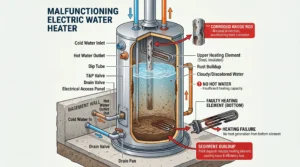
Preventive Maintenance Tips
Regular maintenance helps extend the life of your water heater and reduce repair needs:
- Flush the tank once or twice a year
- Inspect the anode rod condition regularly
- Check temperature settings for efficiency
- Remove sediment buildup periodically
- Inspect valves and pipe connections
Preventive care reduces breakdown risk and improves energy efficiency.
Energy Efficiency and Cost-Saving Tips
Improving efficiency helps reduce electricity or gas bills:
- Keep temperature settings at safe levels
- Insulate the tank to reduce heat loss
- Fix small leaks immediately
- Upgrade old systems to energy-efficient models
- Consider tankless systems for long-term savings
Efficient systems reduce stress on components and lower repair frequency.
Frequently Asked Questions
Why is my water heater not giving enough hot water?
This usually happens due to sediment buildup, faulty heating elements, or thermostat issues.
How long does a water heater last?
Most systems last between 8 and 12 years, depending on maintenance and water quality.
What is the average repair cost?
Costs vary based on the issue, but minor repairs are affordable while major repairs can be more expensive.
Should I repair or replace my water heater?
If the unit is old or frequently breaks down, replacement is usually more cost-effective.
Why is my hot water rusty?
Rusty water often indicates corrosion inside the tank or an aging anode rod.
Conclusion
Water heater problems can escalate quickly if not addressed in time. Understanding the causes, repair options, and maintenance strategies helps homeowners make better decisions. The overall water heater repair volume shows how often users face these issues and how urgently they seek solutions. Another important point is that water heater repair volume reflects both emergencies and long-term maintenance concerns. In many cases, a simple repair can restore performance, but ignoring early signs can lead to costly replacements. That is why timely diagnosis and professional service are essential for long-term efficiency.
By following proper maintenance and knowing when to call experts, homeowners can reduce breakdowns and ensure consistent hot water throughout the year.




Leave a Reply