

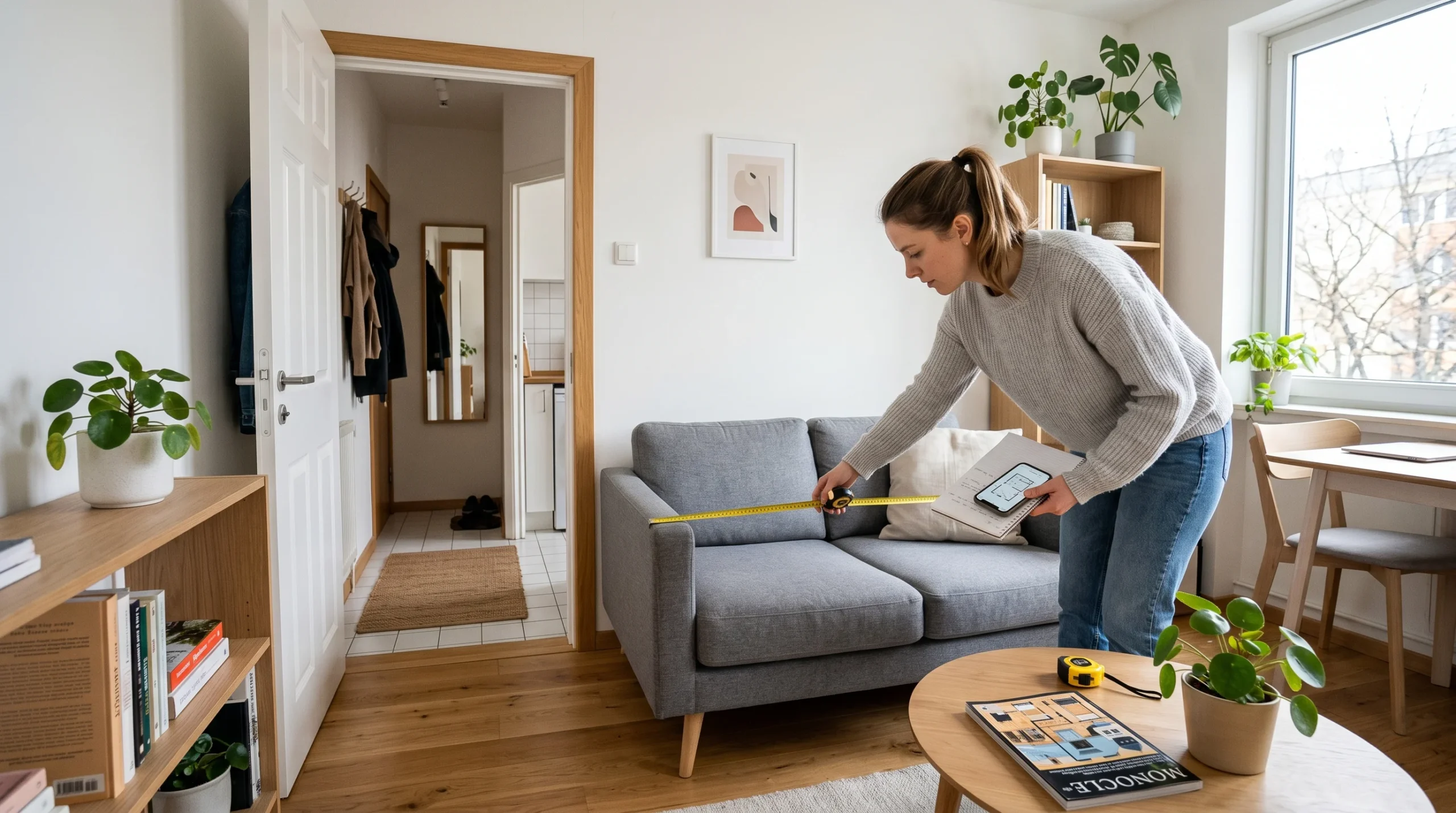
Buying beautiful furniture is exciting, but nothing feels worse than realizing your new sofa is too large for the room or cannot fit through the doorway. That is why learning how to measure room for furniture correctly is one of the most important steps before purchasing anything for your home.
Proper room measurements help you create a balanced layout, improve traffic flow, and avoid costly furniture mistakes. Whether you are decorating a small apartment, planning a living room makeover, or shopping for a sectional sofa, accurate measurements make furniture placement much easier.
In this guide, you will learn practical room measuring tips, furniture spacing rules, delivery path measurements, and professional layout planning strategies that help your home feel comfortable and functional.
Why Measuring Your Room Before Buying Furniture Matters
Many homeowners purchase furniture based only on appearance. Unfortunately, even beautiful furniture can make a room feel cramped if the sizing is wrong. Proper room dimensions help you create a space that looks visually balanced and feels easy to move around in.
Accurate furniture measurements also improve room functionality. You can maintain comfortable walkway spacing, avoid blocking doors or windows, and create better conversation areas in living rooms.
Another important reason to measure carefully is furniture delivery. Large sofas, beds, and dining tables may fit inside your room but fail to pass through hallways, staircases, or apartment elevators. Measuring entryways and delivery paths beforehand prevents frustrating surprises.
Understanding scale and proportion is equally important in interior design. Oversized furniture can overpower a small room, while tiny furniture may look awkward in larger spaces. Good space planning creates visual flow and improves comfort throughout the home.
Tools You Need to Measure a Room for Furniture
Before you begin measuring, gather a few simple tools that make the process easier and more accurate.
Tape Measure or Laser Measuring Tool
A standard measuring tape works well for most rooms. A laser measuring tool can help measure large spaces quickly and improve accuracy.
Graph Paper or Room Planner Apps
Many people sketch a simple floor plan on graph paper. You can also use digital room planner apps or AI room visualization tools to create a scaled layout.
Painter’s Tape
Painter’s tape helps you map furniture footprints directly on the floor. This method allows you to see how much floor space your furniture will occupy before buying it.
Notebook and Smartphone
Write down all room dimensions carefully and take photos of your room from different angles. This helps you compare furniture sizing later while shopping online.
How to Measure a Room Step by Step
If you want to understand how to measure room for furniture properly, follow these simple steps carefully.
Measure Room Length and Width
Start by measuring the longest wall in the room. Record the total width and length in inches or centimeters. Always measure wall to wall rather than estimating visually. For better accuracy, measure each wall in multiple spots because some rooms have uneven walls.
Measure Ceiling Height
Ceiling height affects furniture scale significantly. Tall bookcases, wardrobes, or shelving units may not fit properly in rooms with lower ceilings. Measure from the floor to the ceiling in several locations to identify height variations.
Measure Doors and Windows
Doorway measurements are extremely important for furniture delivery. Measure both the width and height of every doorway your furniture must pass through. Also measure windows, windowsill height, and fixed architectural features like radiators or built-in shelves.
Measure Alcoves and Oddly Shaped Areas
Many rooms contain corners, alcoves, angled walls, or unusual layouts. These spaces require extra attention during room layout planning. When measuring oddly shaped rooms, break the room into smaller rectangular sections and measure each one separately.
How to Measure Furniture Before Buying
Furniture dimensions matter just as much as room measurements. Always check the width, depth, and height of every item before purchasing.
Measuring Sofas and Sectionals
Large sofas and sectional couches require careful planning. Measure the full length, depth, and arm height. If the sofa includes a chaise section, measure that separately as well.
Measuring Dining Tables
Dining tables need extra clearance for chairs and movement. Leave at least 24 inches behind each chair so people can sit comfortably.
Measuring Bedroom Furniture
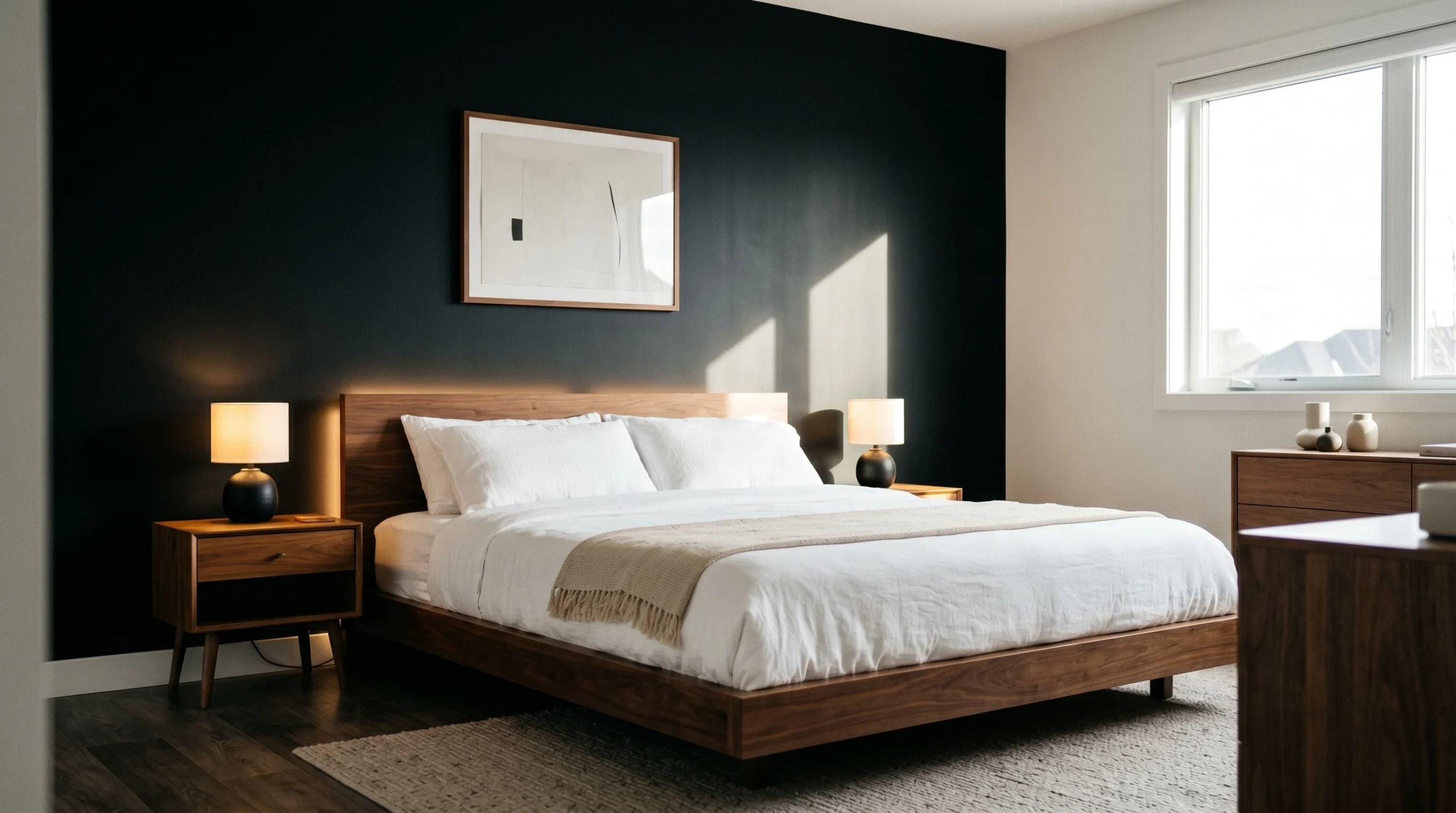
Beds, dressers, and nightstands should leave enough breathing room around the bed. Most interior designers recommend 24 to 30 inches of walking space around bedroom furniture.
Furniture for Small Apartments
Small apartment furniture planning requires careful scale management. Multifunctional furniture often works best in compact rooms because it reduces visual clutter and improves room functionality.
How to Make Sure Furniture Will Fit in Your Room
One of the best ways to avoid furniture sizing mistakes is by testing the layout before buying. Use painter’s tape to outline furniture dimensions directly on the floor. This gives you a realistic idea of how the furniture footprint will affect traffic flow and movement space. You should also consider room balance. Large furniture pieces should not overwhelm the room visually. Leave enough wall clearance and open floor space to maintain a comfortable layout. Professional interior designers often use scaled floor plans or room planner apps to test furniture arrangement ideas before finalizing a design.
Furniture Spacing Rules Every Homeowner Should Know
Good furniture spacing improves comfort, movement, and room usability. These measurements are commonly used by furniture experts and interior designers.
Sofa and Coffee Table Distance
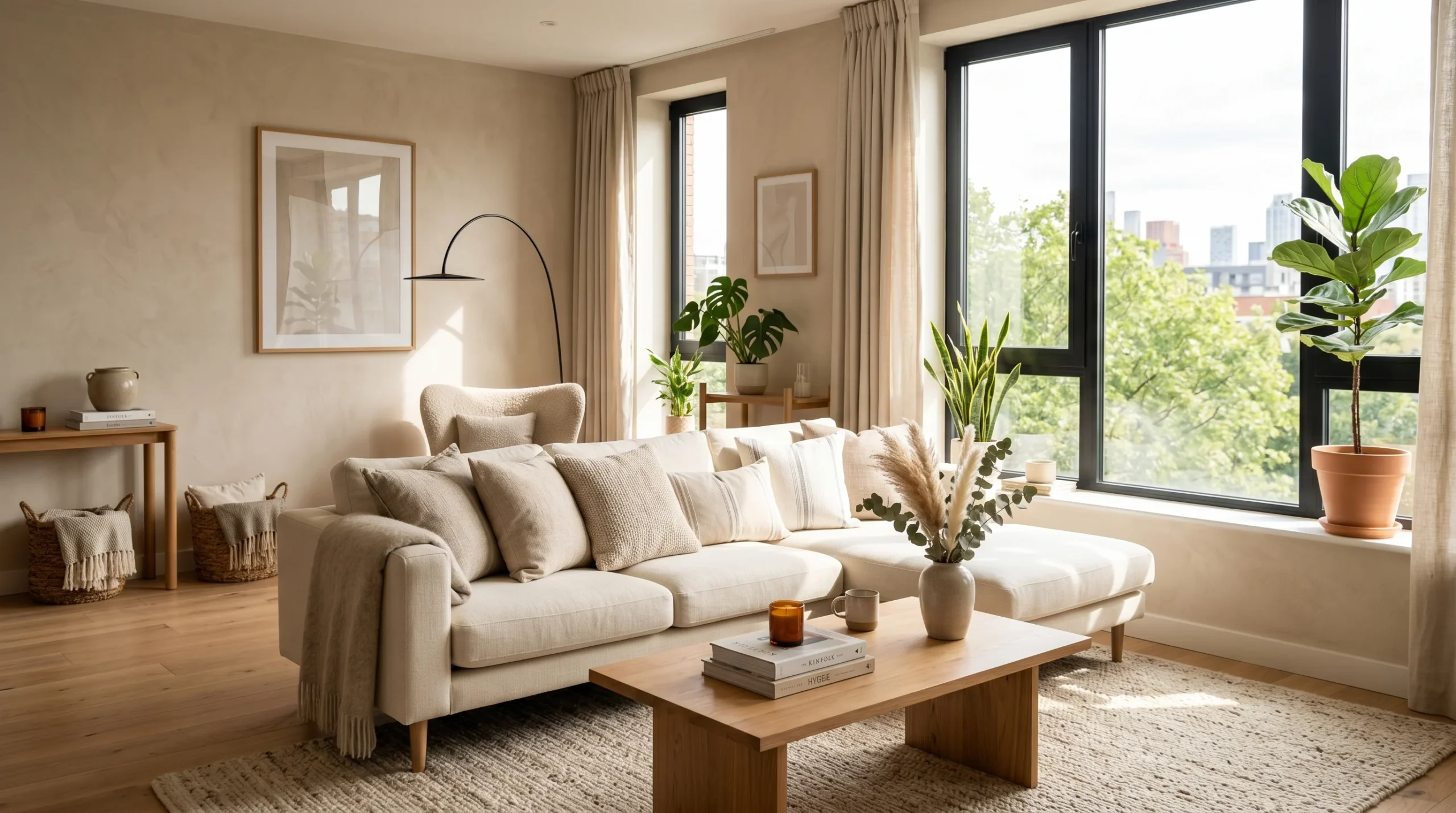
Leave about 16 to 18 inches between a sofa and coffee table. This creates comfortable access without making the room feel crowded.
Walkway Clearance
Most professionals recommend 30 to 36 inches for walkways in high-traffic areas.
Dining Table Spacing
Allow at least 24 inches behind dining chairs so people can move comfortably.
Bedroom Furniture Clearance
Beds should have enough space on each side for easy movement and visual balance.
Open Concept Room Layouts
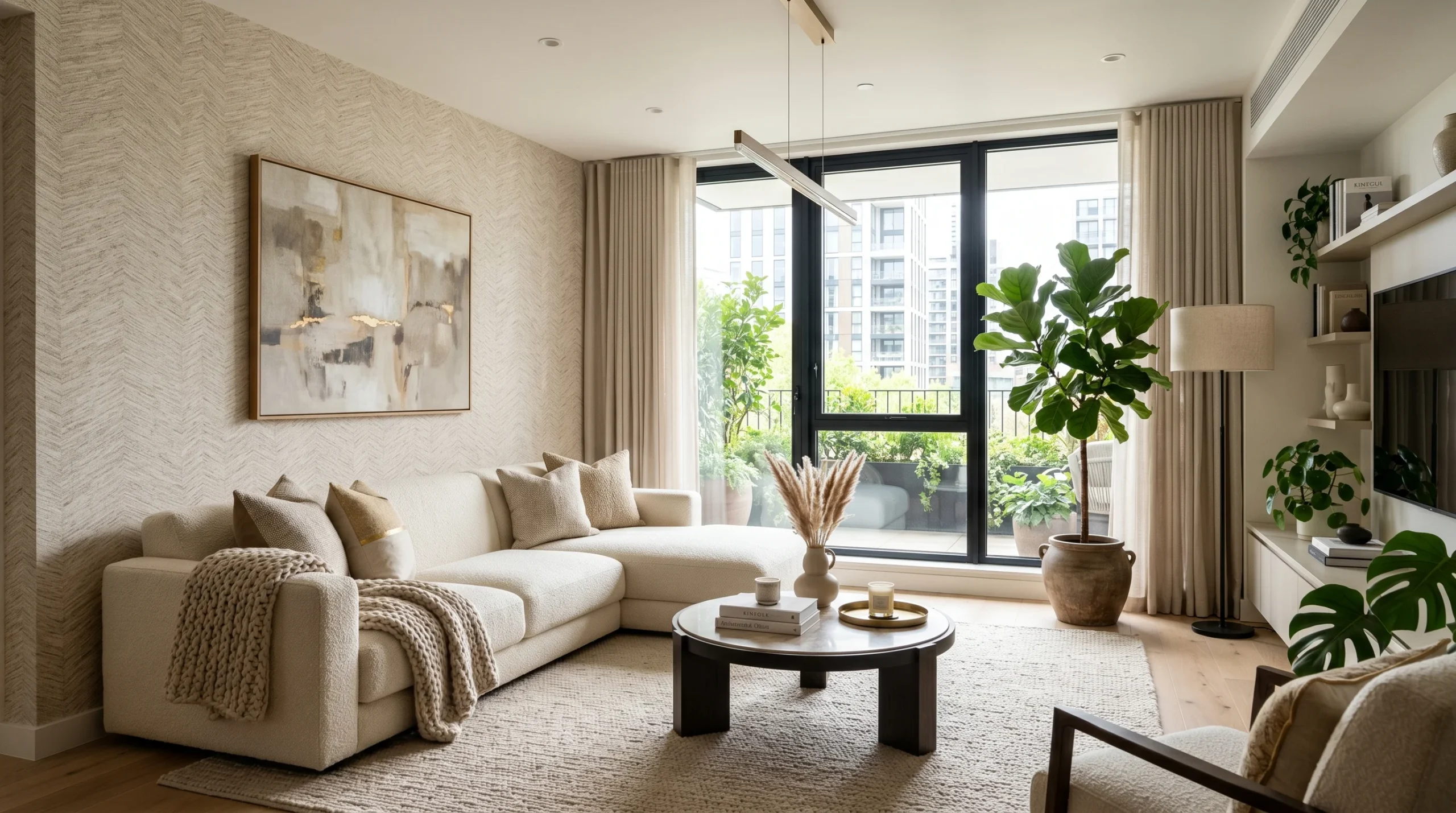
In open concept spaces, furniture placement helps define separate functional zones. Rugs, sofas, and lighting can create natural divisions without blocking room flow.
How to Measure Delivery Paths for Furniture
Learning how to measure room for furniture is not complete without checking delivery routes. Measure front doors, hallways, staircases, elevators, and tight corners carefully. Many furniture delivery problems happen because homeowners focus only on room dimensions. Pay attention to the turning radius in hallways and staircases. Large sectional sofas or oversized furniture often require extra maneuvering space. Apartment buildings may also have delivery restrictions related to elevator size or stair clearance.
Common Room Measuring Mistakes
Even small measuring mistakes can create major furniture problems later. One common mistake is ignoring baseboards and trim. These small details reduce available wall clearance slightly. Another mistake is forgetting door swing space. Doors need enough room to open fully without hitting nearby furniture. Many homeowners also ignore traffic flow. A room may technically fit furniture, but movement space can feel cramped if spacing rules are ignored. Rounding measurements incorrectly is another issue. Always record exact room dimensions for better accuracy.
How to Create a Simple Floor Plan for Furniture Layout
A floor plan helps you visualize furniture placement before purchasing anything. Start by sketching your room on graph paper. Use scale measurements so each section reflects the actual room size accurately. Next, draw your furniture dimensions on separate paper pieces or use digital room planner tools to arrange layouts virtually. This process helps you test different furniture arrangement ideas and improve room flow before making final decisions. Many free room planner apps also allow you to experiment with furniture sizing and room layout examples digitally.
Small Room and Apartment Furniture Measuring Tips
Small spaces require smarter furniture planning strategies. Choose furniture that matches the scale of the room rather than selecting oversized pieces. Multifunctional furniture, such as storage ottomans or sofa beds, can maximize space efficiency. Use vertical storage whenever possible to reduce floor clutter. Keeping enough open floor space makes small rooms feel larger and more comfortable. Light-coloredd furniture and simple layouts can also improve visual space in compact apartments.
Expert Interior Design Tips for Better Furniture Placement
Interior designers focus heavily on balance, movement, and functionality when arranging furniture. Start by identifying the room’s focal point, such as a fireplace, television, or large window. Arrange furniture around this feature naturally. Create conversation-friendly seating areas where people can interact comfortably without shouting across the room. Lighting also affects furniture placement significantly. Avoid blocking natural light sources with oversized furniture pieces. Most importantly, maintain enough visual breathing room so the space feels welcoming rather than overcrowded.
Printable Room Measurement Checklist
Before buying furniture, make sure you have measured:
- Room length and width
- Ceiling height
- Doorways and hallways
- Staircases and elevators
- Windows and architectural features
- Furniture dimensions
- Walkway spacing
- Furniture delivery paths
- Layout sketches and room flow
Keeping a detailed room measurement checklist helps prevent expensive mistakes and improves furniture placement decisions.
Frequently Asked Questions
How much space should be between furniture?
Most designers recommend 30 to 36 inches for walkways and about 16 to 18 inches between sofas and coffee tables.
How do I know if furniture will fit?
Measure both the furniture dimensions and the available room space carefully. Use painter’s tape to visualize the layout before purchasing.
What is the best app for room planning?
Several room planner apps allow you to create digital floor plans and test furniture arrangement ideas virtually.
Can I measure a room with furniture already inside?
Yes. Simply measure the open floor space and existing furniture separately for accurate layout planning.
Final Thoughts
Understanding how to measure room for furniture properly helps you avoid costly mistakes, improve room functionality, and create a more comfortable living environment. Accurate room measurements also make furniture shopping much less stressful because you already know what sizes will work best in your space.
Whether you are decorating a large home or planning furniture for a small apartment, careful space planning always leads to better results. By combining room dimensions, furniture spacing guidelines, and delivery path measurements, you can create a balanced layout that feels both practical and visually appealing. If you follow these expert measuring techniques, your furniture will not only fit properly but also improve the overall comfort and flow of your home.
Leave a Reply